

























Comprehensive Guide to Wall Suction Systems in Hospitals: Applications, Benefits, and Selection Criteria
Introduction
Maintaining a clear airway and ensuring effective removal of secretions are among the most critical aspects of patient care in healthcare facilities. Patients admitted to intensive care units (ICUs), operating rooms, emergency departments, and specialized clinics may be unable to clear respiratory secretions naturally due to respiratory disorders, reduced consciousness, major surgical procedures, or mechanical ventilation.
In such situations, medical suction equipment plays a vital role in maintaining respiratory function, preventing complications, and supporting patient recovery.
A Wall Suction Regulator is one of the most widely used components of hospital vacuum systems. By utilizing negative pressure generated by the central medical vacuum network, it enables the safe and efficient collection of secretions, blood, fluids, and other unwanted materials from patients.
Due to its stable performance, precise vacuum control, and independence from electric motors, wall suction systems have become the preferred choice in modern healthcare facilities worldwide.
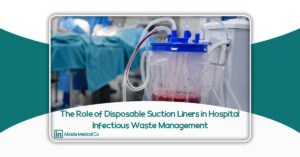
With the growing emphasis on infection prevention and healthcare safety, wall suction systems are no longer viewed as simple suction devices. Instead, they are considered an integral part of hospital safety infrastructure. The use of standardized suction canisters, hydrophobic filters, and disposable suction liner systems can significantly reduce the risk of healthcare-associated infections (HAIs) while improving safety for both patients and healthcare workers.
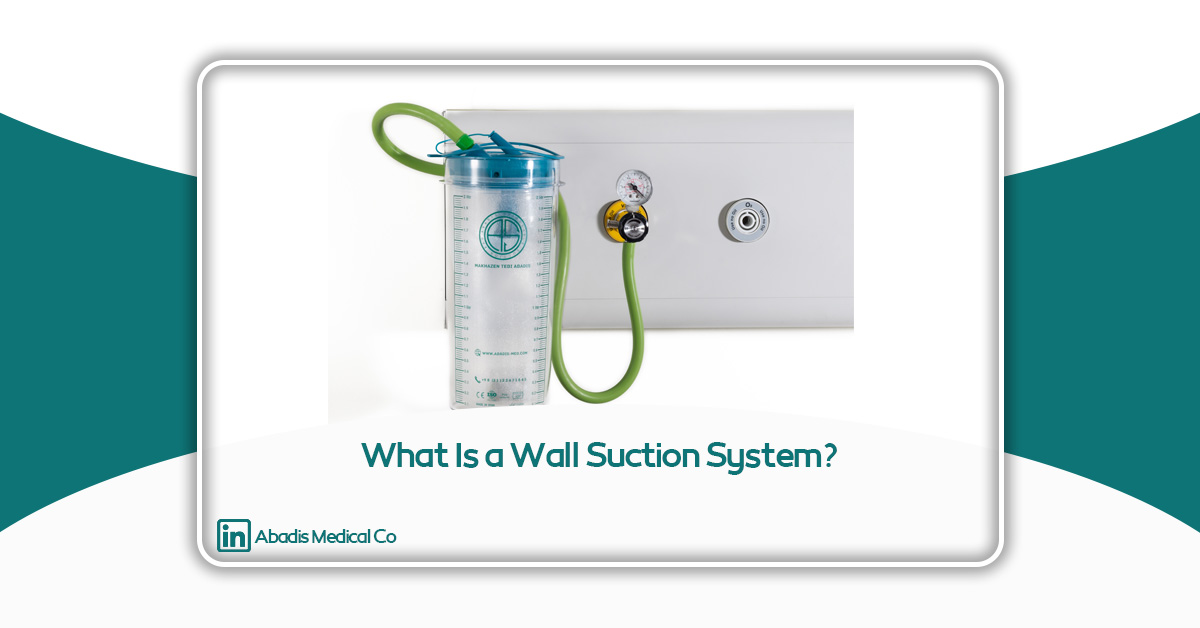
What Is a Wall Suction System?
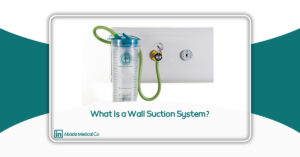
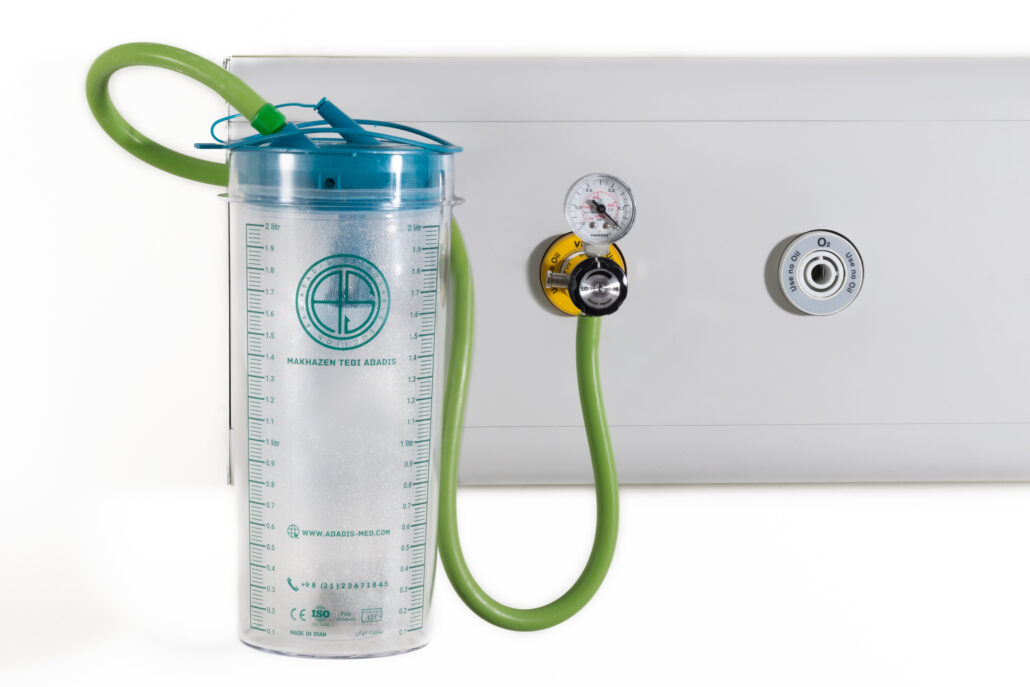
A wall suction system is a medical device connected directly to a hospital’s central vacuum pipeline system. It provides controlled negative pressure for the removal of bodily fluids, respiratory secretions, blood, and other materials during medical procedures and patient care.
A typical wall suction setup consists of:
- Vacuum regulator
- Pressure gauge
- Suction canister or collection reservoir
- Safety filters
- Tubing and connectors
Unlike portable suction units that rely on independent electric pumps, wall suction systems obtain vacuum power directly from the hospital’s centralized vacuum source. As a result, they offer more stable performance, lower noise levels, and greater reliability for continuous clinical use.
Wall suction systems are routinely used in respiratory care, surgical procedures, intensive care units, emergency medicine, and many specialized clinical departments, making them an essential component of modern healthcare facilities.
Importance of Wall Suction in Patient Care
Maintaining a patent airway is fundamental to effective oxygen delivery and respiratory function.
The accumulation of mucus, blood, vomitus, or other fluids within the airway can lead to airway obstruction, impaired gas exchange, hypoxemia, and potentially life-threatening complications.
Wall suction systems help healthcare professionals:
- Maintain airway patency
- Prevent aspiration
- Remove pulmonary secretions
- Improve the effectiveness of mechanical ventilation
- Support critically ill patients in intensive care units
- Maintain a clear surgical field during procedures
- Remove blood and excess fluids from surgical sites
For these reasons, suction systems are considered indispensable equipment in modern hospitals and healthcare facilities.
The Role of Wall Suction Systems in Infection Prevention
Preventing healthcare-associated infections remains one of the primary challenges facing healthcare institutions worldwide.
Direct contact with contaminated bodily fluids exposes healthcare workers to infectious pathogens and increases occupational risks.
When combined with disposable suction liners, hydrophobic filters, and standardized collection systems, wall suction equipment contributes significantly to infection prevention by:
- Minimizing direct exposure to infectious secretions
- Reducing the risk of cross-contamination
- Preventing fluid entry into the central vacuum system
- Limiting the generation and spread of contaminated aerosols
- Enhancing healthcare worker safety
- Simplifying infectious waste management
As a result, infection prevention guidelines increasingly recommend the use of closed suction systems and disposable components whenever possible.
Pediatric Wall Suction Systems: Why Precise Vacuum Control Matters
Infants and pediatric patients have more delicate airway structures and are significantly more sensitive to excessive suction pressure than adults.
Improper vacuum settings may result in mucosal trauma, bleeding, tissue damage, and other complications.
For this reason, many advanced healthcare facilities utilize dedicated pediatric suction systems specifically designed to provide more precise vacuum regulation.
Pediatric wall suction regulators allow clinicians to safely manage airway secretions in:
- Pediatric wards
- Pediatric Intensive Care Units (PICU)
- Neonatal Intensive Care Units (NICU)
Recognizing this clinical need, Abadis Medical Reservoirs has developed specialized pediatric wall suction systems designed to support safer airway management and improve patient care for infants and children.
Key Factors to Consider When Selecting a Wall Suction System
Choosing the right wall suction regulator is essential for ensuring patient safety, operational efficiency, and long-term reliability.
Healthcare providers should evaluate the following criteria:
- Accuracy of vacuum regulation
- Stability of negative pressure performance
- Build quality and durability
- Corrosion and moisture resistance
- Gauge visibility and readability
- Compatibility with hospital vacuum pipeline systems
- Integration with safety filters
- Compatibility with disposable suction liner systems
- Availability of spare parts and technical support
- After-sales service and maintenance support
Selecting a high-quality suction system not only improves patient safety but can also reduce maintenance costs and equipment downtime over the long term.
Conclusion
Wall suction systems are among the most essential components of modern healthcare infrastructure. They play a critical role in airway management, secretion removal, surgical support, and overall patient care.
As infection prevention continues to be a top priority in healthcare environments, the use of standardized suction systems combined with disposable suction liners and protective filtration technologies can significantly enhance safety for both patients and healthcare professionals.
Today’s healthcare facilities require more than simple suction capability; they demand solutions that offer precision, reliability, ease of use, and infection control benefits.
Investing in a high-quality wall suction system represents a direct investment in patient safety, clinical efficiency, and the overall quality of healthcare delivery.
References
- World Health Organization (WHO). Medical Device Technical Series: Medical Vacuum Systems. Geneva: WHO.
- World Health Organization (WHO). Safe Management of Wastes from Health-Care Activities. 2nd Edition. Geneva: WHO; 2022.
- Centers for Disease Control and Prevention (CDC). Guidelines for Environmental Infection Control in Health-Care Facilities. Atlanta: CDC; 2023.
- ECRI Institute. Guidance on Medical Suction Equipment Safety and Maintenance. Plymouth Meeting, PA.
- Association for the Advancement of Medical Instrumentation (AAMI). Medical Suction Equipment Standards and Recommendations.
- National Health Service (NHS). Suction Equipment: Clinical Guidance and Safe Use Procedures. United Kingdom.
- Rutala WA, Weber DJ. Disinfection and Sterilization in Healthcare Facilities: Current Issues and New Technologies. American Journal of Infection Control. 2021.
- Siegel JD, Rhinehart E, Jackson M, Chiarello L. Guideline for Isolation Precautions: Preventing Transmission of Infectious Agents in Healthcare Settings. CDC.
- Weber DJ, Rutala WA. Environmental Infection Prevention and Control in Healthcare Facilities. Infection Control & Hospital Epidemiology.
- Occupational Safety and Health Administration (OSHA). Healthcare Worker Protection Against Occupational Exposure to Infectious Materials. Washington, DC.
- ISO 10079-1: Medical Suction Equipment – Electrically Powered Suction Equipment.
- ISO 7396-1: Medical Gas Pipeline Systems – Pipeline Systems for Compressed Medical Gases and Vacuum.
- HTM 02-01. Medical Gas Pipeline Systems. National Health Service (NHS), United Kingdom.
- European Centre for Disease Prevention and Control (ECDC). Infection Prevention and Control in Healthcare Settings. Stockholm: ECDC.
- Association of periOperative Registered Nurses (AORN). Guidelines for Perioperative Practice – Surgical Suction and Fluid Management.