

























Abstract
Hantaviruses are among the most dangerous emerging zoonotic viruses transmitted primarily through contact with the urine, saliva, and feces of infected rodents. These viruses can cause severe diseases such as Hantavirus Pulmonary Syndrome (HPS) and Hemorrhagic Fever with Renal Syndrome (HFRS), both associated with significant mortality rates. Due to the airborne transmission potential of contaminated particles and infected secretions, strict infection control measures and the use of safe medical equipment are critically important in healthcare environments.
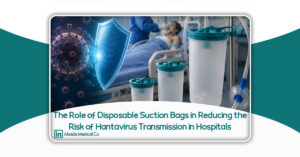
One of the major challenges faced by hospitals during outbreaks of emerging viral diseases is the safe management of patient secretions and minimizing direct exposure of healthcare workers to contaminated fluids. During respiratory suctioning and secretion evacuation procedures, traditional reusable suction systems may increase the risk of infectious aerosol generation, cross-contamination, and occupational exposure to pathogens. In this context, closed suction systems and disposable suction liner bags have emerged as advanced infection-control technologies that significantly reduce the risk of viral transmission.
This review-analytical article examines the role of disposable suction bags in minimizing the risk of hantavirus transmission in healthcare settings. Findings from international studies and hospital experiences indicate that disposable suction systems can reduce direct contact with infectious secretions, decrease airborne contamination, minimize environmental pollution, and improve healthcare worker safety. Furthermore, eliminating the washing process of conventional suction canisters not only reduces water and disinfectant consumption but also decreases the production of contaminated hospital wastewater.
Current evidence suggests that implementing modern disposable suction technologies is not only part of infection prevention strategies for viral diseases, but also aligns with sustainable development goals, green healthcare management, and the enhancement of hospital biosafety systems. Therefore, the widespread adoption of these technologies may play a significant role in improving healthcare preparedness against future emerging infectious diseases.
Introduction
In recent decades, the emergence and spread of emerging viral diseases have become one of the most significant global public health challenges. Increased human interaction with wildlife, climate change, urban expansion, rodent migration into human environments, and unbalanced environmental development have created favorable conditions for the transmission of pathogens from animals to humans. Among these pathogens, hantaviruses are recognized as some of the most dangerous zoonotic viruses capable of causing severe respiratory and renal diseases with high mortality rates.
Hantaviruses primarily reside in wild rodents and are transmitted to the environment through their urine, saliva, and feces. Humans are typically infected through inhalation of aerosolized contaminated particles or contact with contaminated surfaces and secretions. Hantavirus Pulmonary Syndrome (HPS) and Hemorrhagic Fever with Renal Syndrome (HFRS) are the two major clinical manifestations associated with hantavirus infection, both of which may lead to acute respiratory failure, shock, renal dysfunction, and death.
Although direct human-to-human transmission is rare for most hantavirus species, controlling respiratory secretions and contaminated fluids in healthcare facilities remains critically important. In hospital settings—particularly in intensive care units (ICUs), emergency departments, and operating rooms—respiratory suctioning is a routine therapeutic procedure. However, when conventional reusable suction systems are used, the risk of aerosol dispersion, direct exposure of healthcare personnel to infectious secretions, and cross-contamination significantly increases. This may elevate the risk of pathogen transmission to healthcare workers and environmental contamination within hospitals.
Recent global outbreaks, especially SARS and COVID-19, have highlighted the urgent need for advanced infection-control technologies. Closed suction systems and disposable suction liner bags are now recognized as some of the most effective biosafety tools in modern healthcare facilities. By eliminating the need for manual emptying and washing of conventional canisters, reducing direct contact with contaminated fluids, and preventing the spread of infectious aerosols, these technologies play a crucial role in reducing viral transmission risks.
Beyond infection control benefits, disposable suction bags also contribute to reducing water, energy, and disinfectant consumption while minimizing contaminated hospital wastewater. Consequently, these technologies are increasingly important not only from a biosafety perspective but also in terms of sustainable healthcare management and environmental governance.
The aim of this article is to examine the role of disposable suction bags in reducing the risk of hantavirus transmission in healthcare settings and to emphasize the importance of advanced infection-control technologies in managing emerging viral diseases. This study reviews hantavirus transmission characteristics and analyzes the impact of closed suction systems on occupational exposure reduction, environmental contamination control, and healthcare worker safety.
Hantavirus and the Risk of Transmission in Healthcare Facilities
Hantaviruses are emerging zoonotic pathogens primarily transmitted through contact with contaminated rodent urine, saliva, and feces. The most common route of transmission to humans is the inhalation of aerosolized contaminated particles, particularly in environments contaminated by rodent excreta. However, under certain circumstances, contact with respiratory secretions and contaminated bodily fluids from infected patients may pose a potential transmission risk in healthcare settings.
In hospitals, patients with severe viral infections often require respiratory support, oxygen therapy, and suctioning of respiratory secretions. Although suction procedures are essential for managing respiratory failure, they may also generate infectious aerosols and contribute to the spread of pathogens in healthcare environments. When conventional reusable suction systems are used, the risk of direct exposure of healthcare workers to contaminated secretions, leakage of infectious fluids, and environmental contamination significantly increases.
Studies by the World Health Organization (WHO) and the Centers for Disease Control and Prevention (CDC) have demonstrated that aerosol-generating medical procedures such as suctioning, intubation, and mechanical ventilation can significantly increase the risk of infection transmission to healthcare personnel. Although human-to-human transmission is uncommon in most hantavirus strains, certain strains such as Andes virus have demonstrated possible interpersonal transmission. Therefore, strict adherence to infection-control protocols in healthcare facilities is essential.
One major limitation of traditional suction systems is the need for manual emptying and repeated washing of canisters. This process may result in splashing of contaminated fluids, aerosol generation, and increased occupational exposure to pathogens. Additionally, wastewater produced during suction canister cleaning may contain viral and microbial contaminants that can pollute water sources and the environment if improperly managed.
High-risk hospital areas such as ICUs, emergency departments, operating rooms, and infectious disease wards present increased exposure risks to contaminated secretions, making the use of safer medical technologies essential. Consequently, closed suction systems and disposable suction liner bags have become recognized as effective infection-control solutions. These systems create a sealed collection cycle that minimizes aerosol release, fluid leakage, and direct contact with infectious materials.
Beyond physical biosafety, reducing healthcare worker exposure to contaminated environments can also decrease occupational stress, psychological burnout, and the risk of infectious disease transmission among medical staff. Experiences from recent global pandemics have shown that protecting healthcare personnel is one of the fundamental pillars of effective public health crisis management.
Overall, considering the transmission characteristics of hantaviruses and the importance of respiratory secretion control in healthcare settings, the implementation of advanced suction technologies and safe disposable systems can significantly reduce disease transmission risks, enhance healthcare worker safety, and improve hospital infection-control management.
The Role of Disposable Suction Bags in Infection Control
Infection control is one of the most critical aspects of maintaining patient safety, healthcare worker protection, and environmental hygiene in medical facilities. In recent years, the increasing prevalence of emerging and resistant viral diseases has highlighted the importance of safe medical equipment and contamination-reduction technologies. Among hospital devices, suction systems are considered high-risk equipment due to their direct exposure to blood, bodily fluids, and infectious secretions.
Traditional suction systems require canisters to be manually emptied, cleaned, and disinfected after use. This process may increase direct exposure to contaminated fluids, generate infectious aerosols, cause leakage of secretions, and contribute to cross-contamination. Inadequate cleaning and disinfection may also leave residual pathogens within the system, potentially exposing future patients to infection.
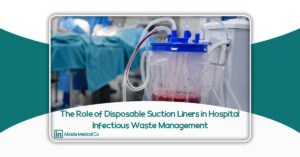
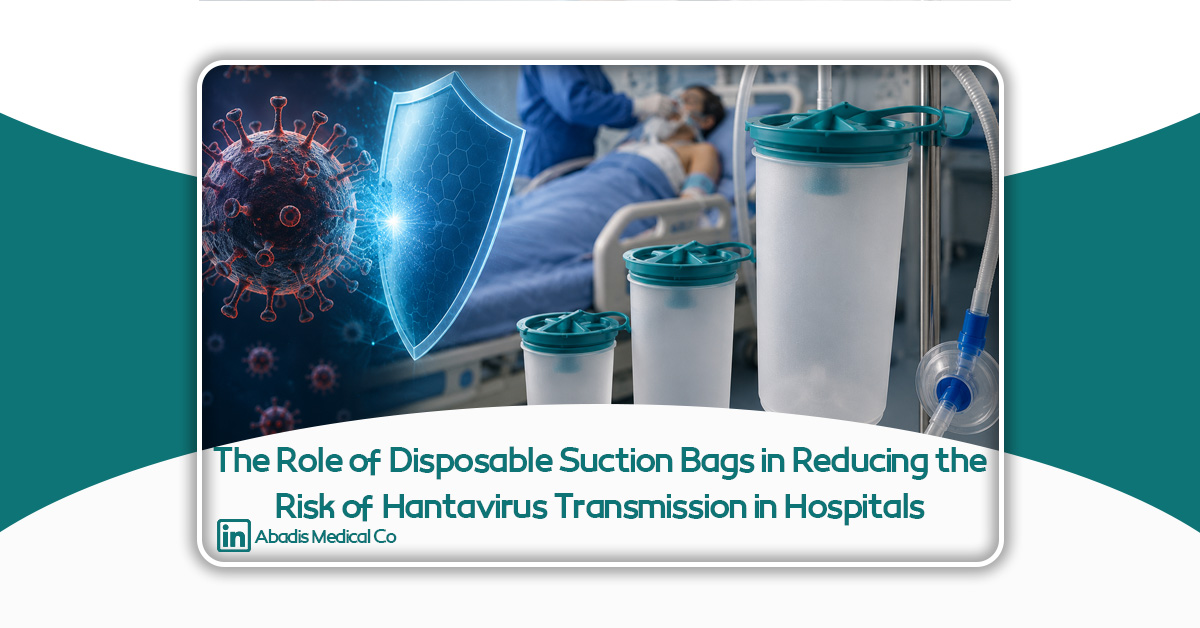
Disposable suction liner bags provide a modern and safer alternative by functioning as a closed collection system. These sterile, replaceable bags eliminate the need for washing traditional canisters and significantly reduce direct contact with infectious materials.
One of the most important advantages of disposable suction bags is the prevention of aerosol release during secretion disposal. In conventional systems, opening and transferring contaminated fluids may disperse airborne particles into the surrounding environment. These particles can contribute to the transmission of respiratory viruses and other infectious agents. Closed disposable suction systems effectively minimize airborne contamination in hospital environments.
Additionally, disposable suction bags reduce the risk of cross-contamination. Each patient is assigned a separate liner bag, which is disposed of after use without requiring emptying or cleaning. This significantly lowers the possibility of pathogen transmission between patients and enhances overall hospital biosafety.
International studies have shown that disposable suction systems can reduce occupational exposure of healthcare workers to contaminated secretions by more than 80%. This benefit is especially important in high-risk areas such as ICUs, operating rooms, emergency departments, and infectious disease wards. Reducing exposure not only protects healthcare workers physically but also decreases occupational stress and improves psychological safety among medical staff.
Beyond infection prevention, disposable suction systems also contribute to environmental sustainability by reducing water, energy, and disinfectant consumption. Eliminating the washing process of reusable canisters decreases contaminated hospital wastewater generation and supports environmentally sustainable healthcare practices.
In emerging viral diseases such as hantavirus infection, COVID-19, influenza, and other respiratory illnesses, safe disposable medical devices and closed secretion-control systems are considered essential components of infection-prevention strategies. For this reason, many international infection-control guidelines emphasize the importance of disposable equipment and minimizing direct exposure to patient secretions.
In conclusion, disposable suction bags are not merely consumable products but integral components of modern hospital biosafety and infection-control infrastructure. Their broader implementation can significantly contribute to reducing infectious disease transmission, protecting healthcare personnel, minimizing environmental contamination, and improving healthcare quality.
The Importance of Advanced Technologies in Managing Emerging Diseases
In recent decades, the increasing incidence of emerging and re-emerging infectious diseases has become one of the greatest global healthcare challenges. The rapid spread of viruses such as hantavirus, COVID-19, Ebola, SARS, and novel influenza strains has demonstrated that traditional healthcare systems alone are insufficient to address modern biological threats. Consequently, advanced medical technologies and innovative infection-control systems have become essential components of healthcare preparedness.
Emerging diseases often exhibit rapid transmission rates, unpredictable epidemiological patterns, and the capacity to trigger large-scale public health crises. In such situations, advanced technologies play a critical role in rapid disease detection, outbreak containment, healthcare worker protection, and safe patient management. The COVID-19 pandemic clearly demonstrated that countries and healthcare facilities equipped with advanced technologies achieved more effective crisis management and lower mortality rates.
One of the most important technological domains in emerging disease management is infection-control and biosafety equipment. Closed suction systems, disposable medical devices, antibacterial filters, intelligent ventilation systems, advanced disinfection technologies, and aerosol-reduction devices all contribute significantly to reducing pathogen transmission in healthcare settings.
In many respiratory viral diseases, including hantavirus infections and COVID-19, contaminated aerosols represent one of the primary transmission routes. Therefore, technologies designed to minimize direct exposure to infectious secretions have become increasingly important. Closed suction systems and disposable suction bags are examples of such technologies, preventing secretion leakage, reducing airborne particle dispersion, and eliminating the need for cleaning contaminated canisters, thereby significantly improving hospital safety standards.
Advanced technologies have also revolutionized disease diagnosis. Molecular diagnostic methods such as Real-Time PCR, genome sequencing, artificial intelligence-based epidemiological analysis, and online disease surveillance systems enable rapid pathogen identification and more efficient epidemic control.
Furthermore, smart medical equipment and digital monitoring systems assist physicians in more accurately assessing patient conditions and delivering more effective treatments. In intensive care units, modern technologies can reduce human errors and improve the quality of patient care.
Another important aspect of advanced healthcare technologies is their contribution to green healthcare management and sustainable development. Many modern medical devices are designed to reduce water, energy, and chemical consumption. Safe disposable systems not only reduce infection risks but also help minimize contaminated hospital wastewater and conserve natural resources.
Knowledge-based industries also play a vital role in developing domestic healthcare technologies. Local production of advanced medical equipment strengthens healthcare independence and reduces reliance on imports during global crises. Moreover, developing domestic medical technologies can support healthcare-related exports and enhance a country’s scientific and industrial position in international markets.
Overall, effective management of emerging diseases is impossible without advanced technologies. The future of global healthcare is moving toward widespread adoption of smart medical systems, safe infection-control technologies, rapid diagnostic tools, and environmentally sustainable healthcare solutions. Investment in these areas is not only a medical necessity but also a strategic component of national health security and preparedness for future biological threats.
Conclusion
Emerging viral diseases such as hantavirus infections, due to their high pathogenicity, epidemic potential, and serious threat to public health systems, require innovative approaches in infection control and biosafety management. Global experiences in combating infectious diseases have demonstrated that protecting healthcare workers, safely managing infectious secretions, and reducing environmental contamination are among the most critical factors in preventing disease transmission.
In this context, advanced medical technologies and safe disposable equipment play a vital role in reducing the spread of infectious agents. Disposable suction liner bags, as part of closed suction systems, can significantly improve healthcare biosafety by minimizing direct contact between healthcare personnel and contaminated secretions, preventing infectious aerosol dispersion, reducing cross-contamination, and eliminating the need for cleaning traditional suction canisters.
In addition to infection-control advantages, these technologies contribute to lower water, energy, and disinfectant consumption while reducing contaminated hospital wastewater production. Therefore, disposable suction systems are not only tools for protecting human health but also essential components of sustainable healthcare development and green hospital management strategies.
Considering the increasing likelihood of future emerging viral outbreaks, investment in advanced infection-control technologies, development of knowledge-based medical equipment, and enhancement of hospital safety infrastructures are inevitable necessities for healthcare systems worldwide. The widespread implementation of safe and standardized medical technologies can play a crucial role in preparing healthcare facilities for future health crises and protecting both patients and healthcare professionals.
References
- World Health Organization (WHO). Safe Management of Wastes from Health-Care Activities. Geneva: WHO; 2022.
- Centers for Disease Control and Prevention (CDC). Hantavirus Prevention and Infection Control Guidelines. Atlanta: CDC; 2024.
- Jonsson CB, Figueiredo LTM, Vapalahti O. Hantaviruses: An Emerging Global Public Health Problem. Clinical Microbiology Reviews. 2010;23(2):412–441.
- Kruger DH, Figueiredo LTM, Song JW, Klempa B. Hantaviruses—Globally Emerging Pathogens. Journal of Clinical Virology. 2015;64:128–136.
- Vaheri A, Strandin T, Hepojoki J, et al. Uncovering the Mysteries of Hantavirus Infections. Nature Reviews Microbiology. 2013;11(8):539–550.
- Centers for Disease Control and Prevention (CDC). Guidelines for Environmental Infection Control in Health-Care Facilities. 2023.
- Gordon A, Schiller S. Disposable Suction Systems and Infection Control in Hospitals. Journal of Biomedical Research. 2023;5(2):36–45.
- Sharafi N. Environmental and Infection-Control Benefits of Disposable Suction Liners in Healthcare Centers. Biomedical & Allied Research. 2023;5(3):45–53.
- Weber DJ, Rutala WA. Environmental Issues and Infection Control in Healthcare Facilities. Infection Control & Hospital Epidemiology. 2019;40(6):652–657.
- Kampf G, Todt D, Pfaender S, Steinmann E. Persistence of Coronaviruses and Other Respiratory Viruses on Surfaces and Their Control with Disinfectants. Journal of Hospital Infection. 2020;104(3):246–251.
- Siegel JD, Rhinehart E, Jackson M, Chiarello L. Guideline for Isolation Precautions: Preventing Transmission of Infectious Agents in Healthcare Settings. CDC; 2022.
- Rutala WA, Weber DJ. Disinfection and Sterilization in Healthcare Facilities: Current Issues and New Technologies. American Journal of Infection Control. 2021;49(3):A11–A17.
- International Society for Infectious Diseases (ISID). Emerging Viral Diseases and Infection Prevention Strategies. 2023.
- European Centre for Disease Prevention and Control (ECDC). Healthcare-Associated Infection Prevention and Control Guidance. Stockholm: ECDC; 2023.
- Occupational Safety and Health Administration (OSHA). Healthcare Worker Protection Against Infectious Diseases. Washington DC; 2022.