

























Introduction
Medical suction systems are essential devices in healthcare facilities, playing a critical role in removing blood, secretions, biological fluids, and other substances from a patient’s body. These systems are widely used in operating rooms, intensive care units (ICUs and CCUs), emergency departments, delivery rooms, inpatient wards, and numerous medical procedures. Beyond supporting clinical treatment, their proper operation is vital for patient safety, infection prevention, and protecting valuable medical equipment.
At first glance, the operation of a medical suction system appears straightforward. Fluids are aspirated through negative pressure generated by a suction pump or a centralized hospital vacuum system and collected in a reservoir. In reality, however, air travels through the system simultaneously with the collected fluids. Without adequate protective components, this airflow can create several challenges, including fluid contamination of the vacuum line, damage to suction equipment, reduced system performance, and an increased risk of spreading infectious agents.
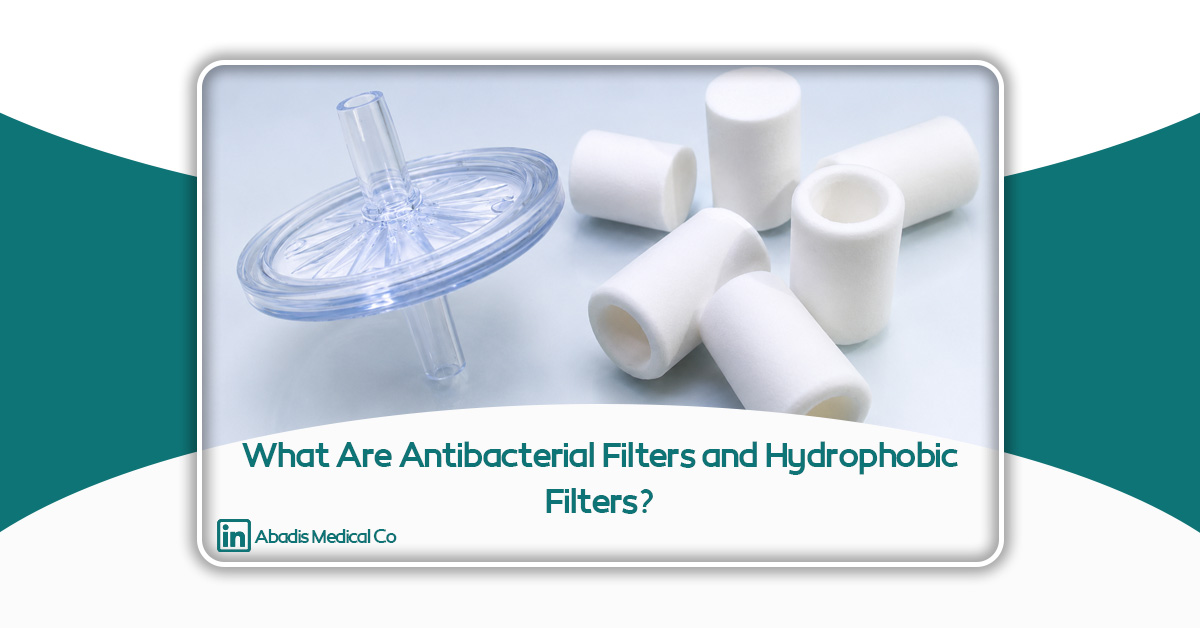
To address these risks, medical device manufacturers have incorporated various safety technologies into modern suction systems. Among the most important are Antibacterial Filters and Hydrophobic Filters, both of which play essential roles in improving system safety.
Although these filters are often used together, they are designed for entirely different purposes. An antibacterial filter is intended to reduce the passage of microorganisms through the airflow, whereas a hydrophobic filter prevents liquids from entering the vacuum line. In many suction systems, the hydrophobic filter also functions as an automatic flow shut-off mechanism when the collection canister or liner reaches its maximum capacity.
Because these two technologies are frequently misunderstood or considered interchangeable, understanding their distinct functions is important for physicians, nurses, biomedical engineers, infection prevention specialists, and healthcare procurement professionals. Selecting the appropriate filtration system not only improves patient and staff safety but also extends the service life of suction equipment while reducing maintenance and repair costs.
In this article, we explain how antibacterial and hydrophobic filters work, highlight their key differences, and discuss the role each plays in improving the safety, efficiency, and reliability of modern medical suction systems.
Why Do Medical Suction Systems Need Filters?
To understand the importance of suction system filters, it is first necessary to understand how a medical suction system operates.
In a suction system, negative pressure generated by a vacuum pump or the hospital’s central vacuum network draws blood, secretions, and other biological fluids from the patient into a collection canister. However, fluids are not the only substances moving through the system. Air continuously flows through the tubing and collection container to maintain uninterrupted suction.
The simultaneous movement of air and fluids creates two major challenges.
The first challenge is the potential transport of airborne particles, droplets, and microorganisms through the airflow. Without an effective filtration system, these contaminants may enter the vacuum line, contaminate equipment, and potentially contribute to the spread of infectious agents.
The second challenge occurs when the collection canister becomes overfilled or when excessive foaming and splashing allow fluids to reach the vacuum pathway. Blood and biological secretions entering the vacuum system can interfere with suction performance, damage vacuum pumps, and significantly increase maintenance and repair costs.
To minimize these risks, manufacturers incorporate different protective technologies into medical suction systems. The two most important are antibacterial filters and hydrophobic filters. Each performs a unique function and should not be considered a replacement for the other.
The following sections explain how antibacterial filters work, followed by an overview of hydrophobic filters and the key differences between these two important technologies.
What Is an Antibacterial Filter?
An Antibacterial Filter is a safety component used in certain medical suction systems to reduce the passage of microorganisms through the airflow. It is typically positioned at the top of the collection canister or along the connection between the suction system and the vacuum source, serving as a protective barrier between collected fluids and the vacuum equipment.
During suction procedures, not only blood, secretions, and other biological fluids are aspirated, but a considerable volume of air also passes through the system. This airflow may carry microscopic particles, aerosolized droplets, and microorganisms. Without an effective filtration barrier, these contaminants can enter the vacuum pathway and contaminate downstream components of the suction system.
An antibacterial filter utilizes a porous filtration medium that captures a portion of these airborne particles and microorganisms, thereby reducing their transmission toward the vacuum equipment.
It is important to note that filtration efficiency depends on several factors, including the filter media, pore size, manufacturing quality, and compliance with medical standards. Consequently, not all antibacterial filters available on the market provide the same level of performance.
How Does an Antibacterial Filter Work?
An antibacterial filter operates primarily through mechanical filtration.
As air passes through the filter, particles larger than the membrane pores—or particles retained by physical interactions with the filter fibers—become trapped within the filtration medium.
Many advanced filters incorporate multiple filtration layers to improve particle retention efficiency. These multilayer designs enhance the capture of bacteria and airborne particulates, although overall performance varies depending on the product’s technical specifications.
One important point should be emphasized: an antibacterial filter is not designed to stop liquids.
If blood or secretions come into direct contact with the filter, its pores may become clogged, restricting airflow and reducing suction performance. For this reason, antibacterial filters are commonly used together with hydrophobic filters, each performing its own specialized function.
Key Benefits of Antibacterial Filters
Using antibacterial filters in medical suction systems provides several important advantages.
Reduced Microbial Transmission
The primary purpose of an antibacterial filter is to reduce the passage of certain bacteria and airborne contaminants carried within the airflow. This helps minimize contamination inside the suction system and improves overall operational safety.
Protection of Vacuum Equipment
By limiting the entry of airborne contaminants into the vacuum pathway, antibacterial filters help protect internal vacuum components from contamination, reducing maintenance requirements and extending equipment lifespan.
Support for Infection Prevention Programs
Reducing environmental contamination is a fundamental objective of infection prevention protocols in healthcare facilities. When used alongside other protective measures, antibacterial filters contribute to comprehensive infection control strategies.
Improved Occupational Safety
Reducing the spread of contaminated airborne particles also lowers the potential occupational exposure of healthcare professionals. However, antibacterial filters should never be considered a substitute for appropriate Personal Protective Equipment (PPE) or established infection prevention protocols.
Limitations of Antibacterial Filters
A common misconception is that an antibacterial filter alone provides complete protection for a medical suction system. In reality, these filters have several limitations.
Key limitations include:
- They are not designed to prevent liquid penetration.
- Direct exposure to blood or biological fluids may significantly reduce filtration performance.
- They cannot replace a hydrophobic filter or an automatic flow shut-off mechanism.
- Their effectiveness depends heavily on manufacturing quality, filter media, and compliance with recognized medical standards.
For these reasons, most modern medical suction systems combine antibacterial filters with hydrophobic filters, allowing each component to perform its specific protective role.
What Is a Hydrophobic Filter?
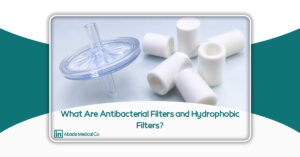
A Hydrophobic Filter is one of the most important safety components used in medical suction systems. Its primary function is to prevent liquids from entering the vacuum pathway.
The term hydrophobic literally means water-repellent. Hydrophobic filter membranes allow air to pass freely while preventing water, blood, and other biological fluids from penetrating the membrane.
Under normal operating conditions, air flows easily through the microscopic pores of the filter, allowing the suction system to function normally. However, when the fluid level rises high enough to reach the filter, the membrane pores become sealed by the liquid. As a result, airflow immediately stops, interrupting the suction process and preventing blood or secretions from entering the vacuum system.
Because of this unique characteristic, hydrophobic filters serve not only as protective barriers but also as automatic flow shut-off devices in many suction systems.
This automatic shut-off capability is one of the key differences between hydrophobic and antibacterial filters and plays a crucial role in protecting vacuum equipment while maintaining overall system safety.
How Does a Hydrophobic Filter Work?
A hydrophobic filter functions based on the water-repellent properties of its membrane material. These filters are typically manufactured from specialized hydrophobic polymer membranes, such as PTFE (Polytetrafluoroethylene) or other advanced water-resistant materials. Their unique structure allows air to pass freely while effectively blocking liquids.
Under normal operating conditions, air flows through the microscopic pores of the membrane, maintaining the negative pressure required for continuous suction.
However, if the fluid level inside the suction canister or disposable liner rises and reaches the filter, the liquid immediately seals the membrane pores. Once the pores are blocked, airflow stops, causing the suction process to cease automatically. This prevents blood, secretions, and other biological fluids from entering the vacuum line and damaging the suction equipment.
For this reason, hydrophobic filters are commonly referred to in technical literature as Overflow Protection Filters, Automatic Shut-off Filters, or Vacuum Protection Filters.
Why Is a Hydrophobic Filter Called a Flow Shut-Off Device?
One of the most common terms used in the medical device industry for this component is Flow Shut-Off Filter or Automatic Shut-Off Device.
The reason is straightforward.
As the suction canister or disposable liner approaches its maximum capacity, the hydrophobic filter automatically blocks airflow by sealing its membrane with liquid. Once airflow is interrupted, suction immediately stops, preventing additional fluid from being drawn into the vacuum system.
In other words, the hydrophobic filter functions as an automatic safety valve. Without requiring electricity, sensors, or electronic controls, it relies solely on the physical properties of its hydrophobic membrane to prevent one of the most serious hazards associated with medical suction systems.
This automatic shut-off function offers several important advantages:
- Prevents blood and biological fluids from entering the suction unit.
- Protects vacuum pumps and centralized hospital vacuum systems.
- Reduces the risk of equipment damage.
- Lowers maintenance and repair costs.
- Improves the safety of healthcare professionals and the clinical environment.
For these reasons, an automatic flow shut-off mechanism has become an essential safety feature in modern medical suction systems.
Key Benefits of Hydrophobic Filters
Hydrophobic filters provide advantages that extend far beyond simply preventing liquids from entering the vacuum system.
Preventing Fluid Entry into the Vacuum Line
The primary function of a hydrophobic filter is to prevent blood, secretions, and other biological fluids from reaching the suction unit or the hospital’s central vacuum network.
This not only protects equipment but also ensures consistent suction performance throughout the procedure.
Protecting Medical Equipment
When biological fluids enter vacuum pumps, they may cause corrosion, internal contamination, reduced suction efficiency, or even complete equipment failure.
Hydrophobic filters significantly reduce these risks by acting as an effective barrier against liquid intrusion.
Improving Healthcare Worker Safety
If biological fluids enter the vacuum pathway, the risk of leakage, splashing, and environmental contamination increases considerably.
By preventing these events, hydrophobic filters also reduce occupational exposure to potentially infectious materials.
Supporting Infection Prevention
Although the primary purpose of a hydrophobic filter is to block liquids, minimizing the spread of contaminated fluids throughout the suction system also contributes to more effective infection prevention practices within healthcare facilities.
What Is the Difference Between an Antibacterial Filter and a Hydrophobic Filter?
Although these two filters are frequently used together in medical suction systems, they differ significantly in purpose, design, and function.
| Feature | Antibacterial Filter | Hydrophobic Filter |
|---|---|---|
| Primary Function | Reduces the passage of bacteria and airborne particles | Prevents liquids from entering the vacuum system |
| Operating Principle | Air filtration | Liquid barrier and automatic airflow shut-off |
| Typical Location | Air pathway between the canister and vacuum source | Vacuum line or top of the collection canister |
| Equipment Protection | Protects against airborne contaminants | Protects against blood and fluid intrusion |
| Automatic Flow Shut-Off | No | Yes |
| Overflow Protection | No | Yes |
| Contribution to Infection Prevention | Reduces microbial transmission through airflow | Reduces contamination caused by liquid leakage |
These filters are complementary rather than interchangeable. Together, they provide a much higher level of safety than either filter can achieve on its own.
Can a Hydrophobic Filter Replace an Antibacterial Filter?
The short answer is no.
Although some advanced hydrophobic membranes may provide limited particle retention, their primary function is to block liquids, not to provide microbiological filtration.
Likewise, antibacterial filters are not designed to stop blood or biological fluids. If exposed directly to liquids, their filtration efficiency may decrease significantly or airflow may become obstructed.
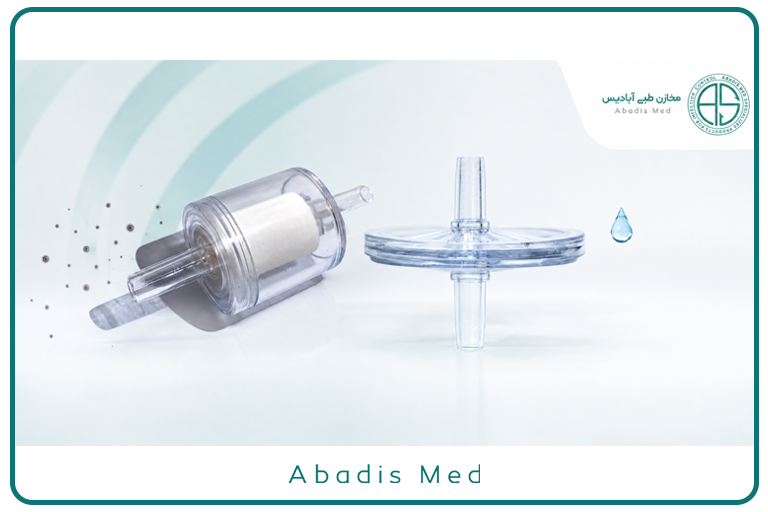
For this reason, many modern medical suction systems incorporate combined Hydrophobic and Antibacterial Filters, integrating both protective functions into a single filtration assembly.
This combined design enhances overall system safety, reduces the likelihood of equipment failure, and improves the reliability of medical suction systems in demanding clinical environments.
How to Choose a Standard Filter
Selecting the right filter involves much more than considering the product name or price. In medical suction systems, filter quality has a direct impact on patient safety, equipment performance, and the protection of healthcare personnel. Therefore, several technical characteristics and manufacturing standards should be carefully evaluated when choosing these components.
The most important selection criteria include:
High-Quality Raw Materials
The filter should be manufactured from medical-grade polymer materials to ensure reliable performance under conditions involving moisture, pressure fluctuations, and contact with biological fluids.
For hydrophobic filters, the use of high-quality hydrophobic membranes is especially important, as these membranes are directly responsible for preventing liquids from entering the vacuum system.
Filtration Efficiency
For antibacterial filters, filtration efficiency against airborne particles and microorganisms is one of the primary indicators of quality. This performance should be validated through recognized testing methods and supported by the manufacturer’s technical specifications.
Reliable Automatic Shut-Off Performance
For hydrophobic filters, dependable automatic shut-off functionality is essential. The filter should immediately block airflow when liquids reach the designated level, preventing fluid from entering the suction equipment.
Compatibility with the Suction System
The filter’s dimensions, connector design, and technical specifications should be fully compatible with the suction system used in the healthcare facility. Using incompatible components may reduce suction efficiency or interfere with overall system performance.
Compliance with Medical Device Standards
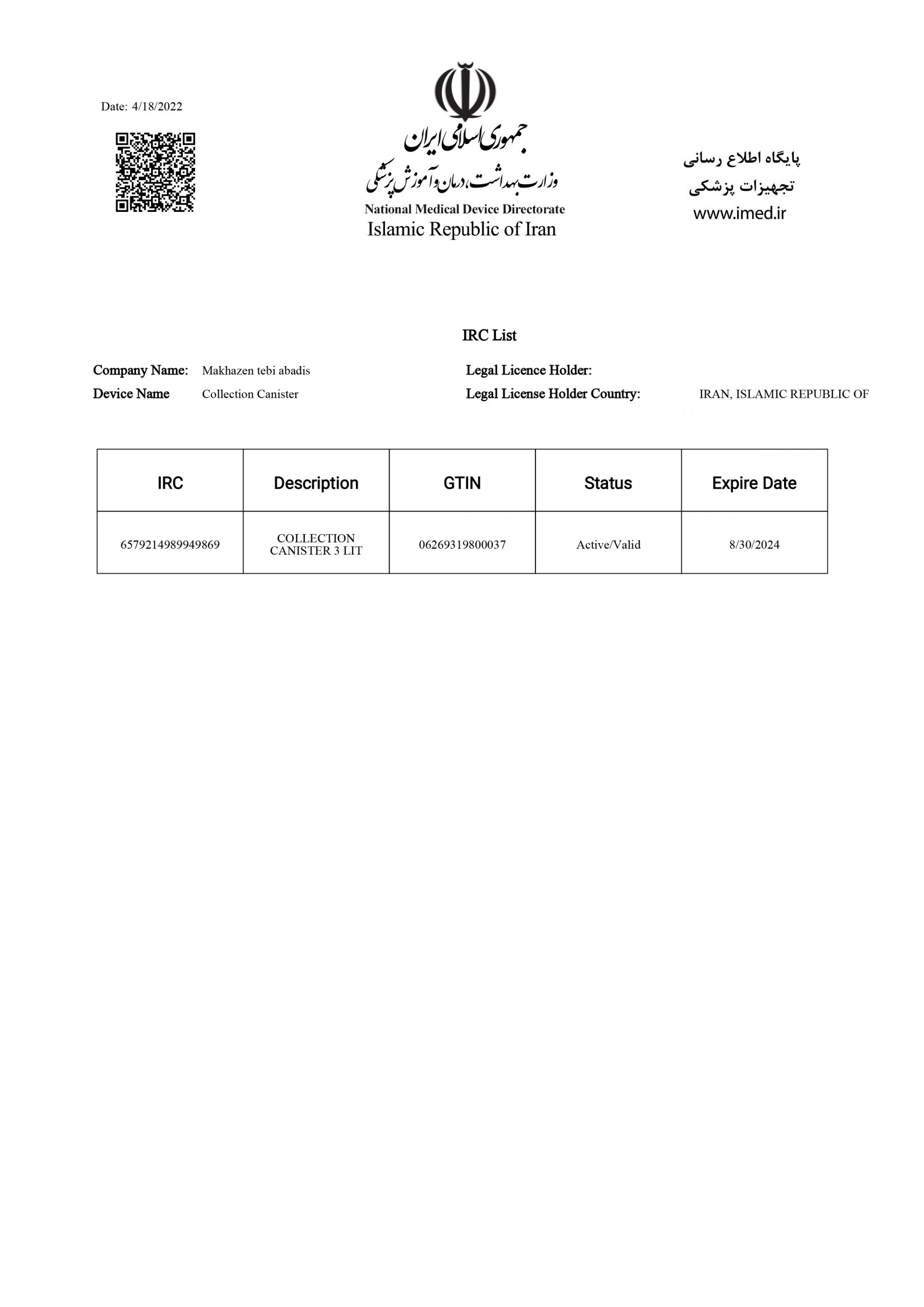
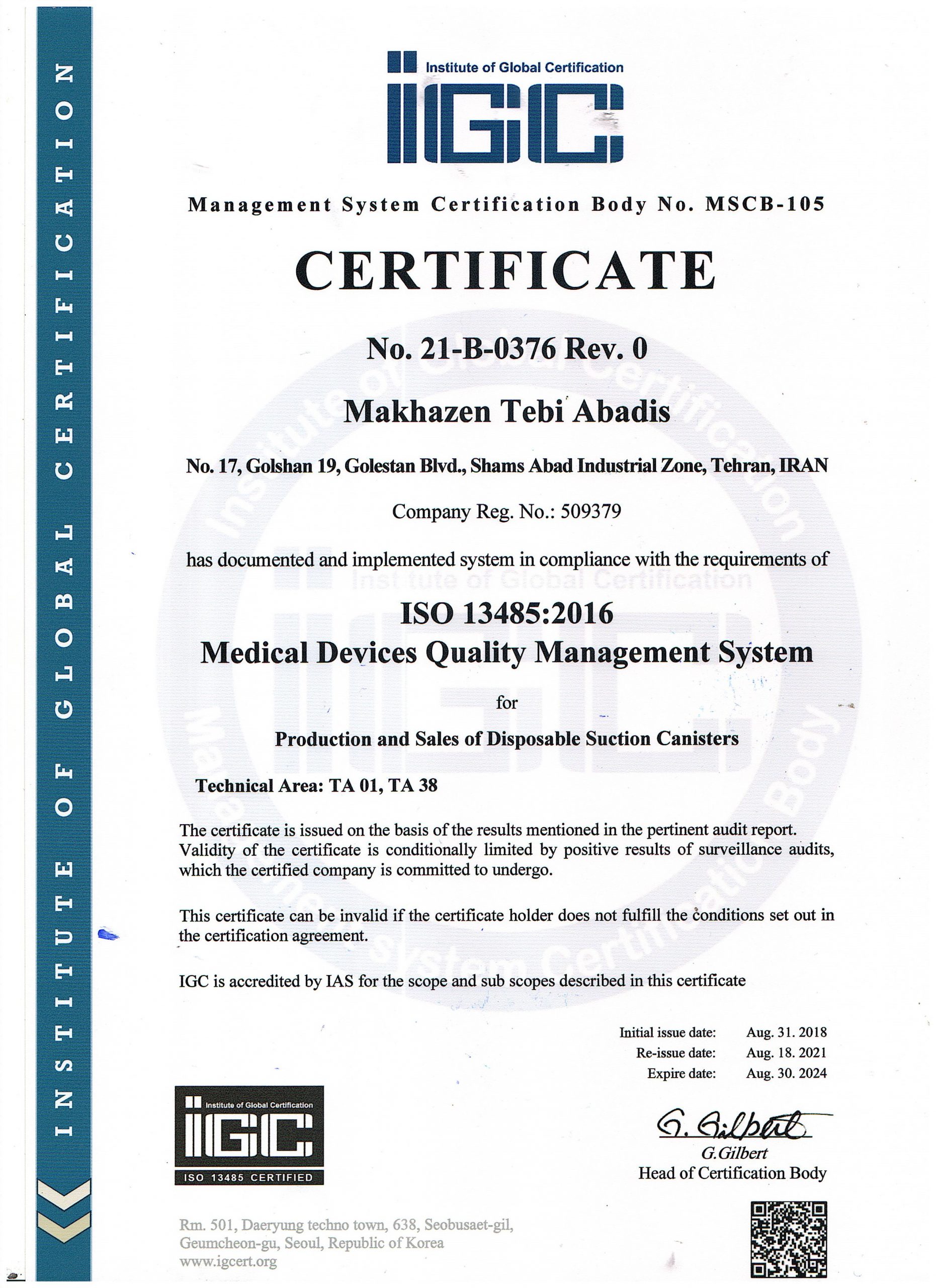
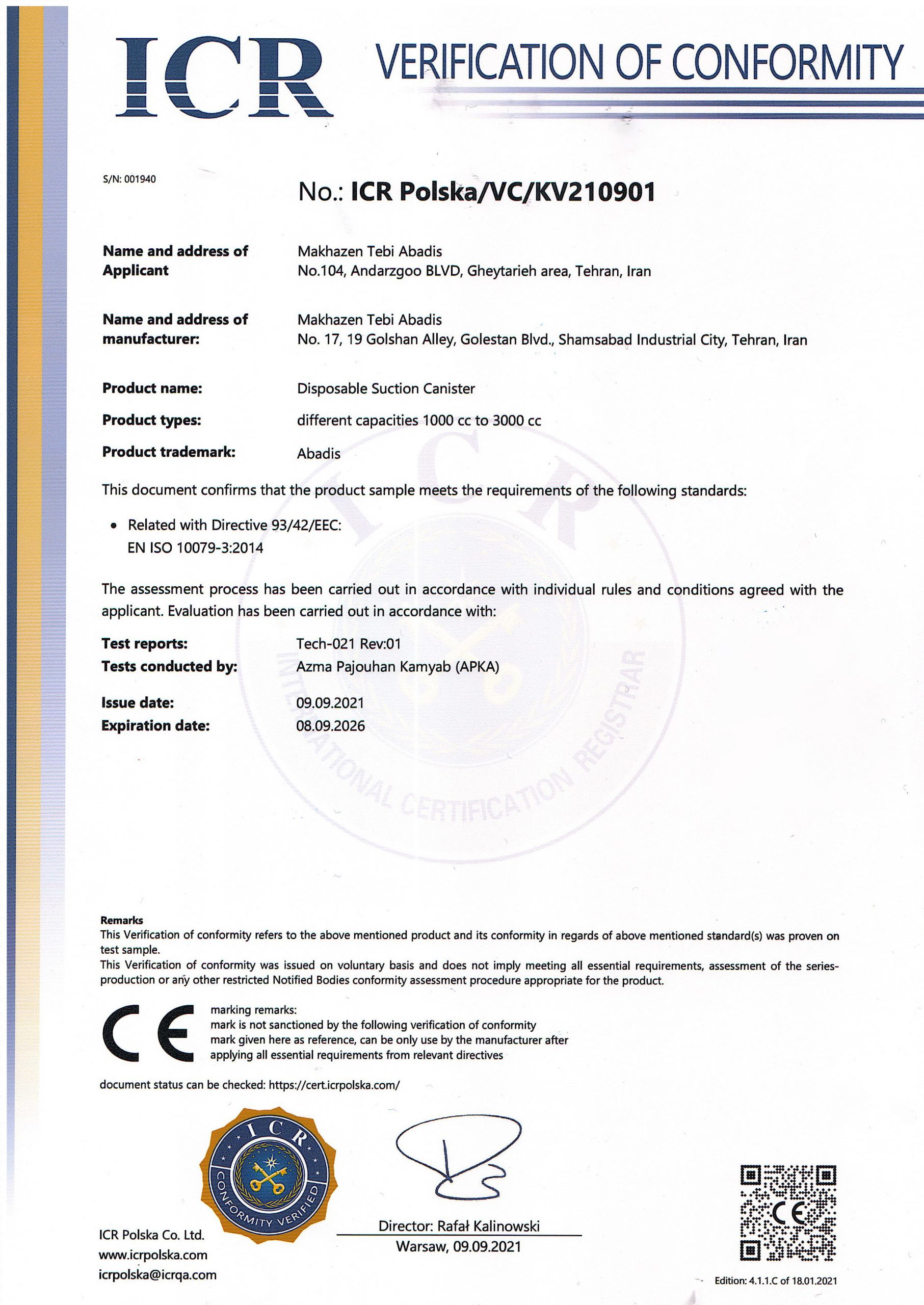
The product should be manufactured in accordance with recognized international medical device standards, with transparent technical documentation provided by the manufacturer. Quality control documentation and product traceability are also important indicators of a reliable medical device.
The Role of Antibacterial and Hydrophobic Filters in Infection Prevention
One of the primary objectives of using standardized medical equipment is to reduce the risk of pathogen transmission while protecting patients, healthcare workers, and medical equipment. Although infection prevention involves a comprehensive range of measures—including hand hygiene, personal protective equipment (PPE), environmental disinfection, and proper medical waste management—the design of medical devices also plays a significant role.
An antibacterial filter helps reduce the passage of certain airborne microorganisms and particulate matter through the airflow pathway, thereby minimizing contamination within the suction system.
A hydrophobic filter, on the other hand, prevents blood and biological fluids from entering the vacuum line, reducing contamination of the suction equipment and limiting the spread of potentially infectious fluids.
When both technologies are incorporated into a standard medical suction system, they provide several important benefits:
- Reduced contamination of suction equipment
- Protection of the hospital vacuum system
- Reduced risk of fluid leakage and overflow
- Lower occupational exposure to contaminated secretions
- Enhanced support for infection prevention programs
- Improved safety during the collection of medical fluids
It is important to note that no filter can replace established infection prevention practices, staff training, or the proper use of personal protective equipment. These technologies should be considered part of a comprehensive healthcare safety strategy.
Future Developments in Suction System Filter Technology
As medical technology continues to evolve, the design and performance of suction system filters are advancing as well. Manufacturers are continuously developing products with higher efficiency, greater durability, and improved safety to better protect equipment while meeting the increasing demands of modern healthcare facilities.
Some of the latest trends include:
- Advanced membrane technologies with higher filtration efficiency
- Combination filters integrating both hydrophobic and antibacterial functions
- Lower airflow resistance to maintain optimal suction performance
- Enhanced automatic shut-off mechanisms
- Improved resistance to pressure, moisture, and temperature variations
- Greater compatibility with modern suction systems and disposable collection canisters
These innovations contribute not only to improved patient and staff safety but also to reduced equipment maintenance costs and enhanced overall suction system performance.
Conclusion
Antibacterial filters and hydrophobic filters are both essential components of modern medical suction systems, but they serve fundamentally different purposes and should not be confused with one another.
An antibacterial filter is designed to reduce the passage of certain bacteria and airborne particles through the airflow pathway, while a hydrophobic filter prevents liquids from entering the vacuum system and, in many designs, also functions as an automatic shut-off mechanism when the collection container reaches capacity.
Using both technologies together in a properly designed suction system improves patient safety, protects healthcare personnel, safeguards vacuum equipment, and supports effective infection prevention practices.
Ultimately, selecting high-quality filters from reputable manufacturers, carefully reviewing technical specifications, and ensuring compliance with recognized medical device standards are key factors in achieving safe, reliable, and efficient suction system performance.
References
- World Health Organization (WHO). Safe Management of Wastes from Health-Care Activities (Blue Book), 2nd Edition.
- Centers for Disease Control and Prevention (CDC). Guidelines for Environmental Infection Control in Health-Care Facilities.
- Occupational Safety and Health Administration (OSHA). Bloodborne Pathogens Standard (29 CFR 1910.1030).
- ISO 10079-1. Medical Suction Equipment — Electrically Powered Suction Equipment.
- ISO 80369 Series. Small-bore Connectors for Liquids and Gases in Healthcare Applications.
- Association for the Advancement of Medical Instrumentation (AAMI). Medical Suction Equipment Guidelines.
- Association for Professionals in Infection Control and Epidemiology (APIC). Infection Prevention and Control Resources.
- PubMed-indexed publications on Hydrophobic Filters, Antibacterial Filters, Medical Suction Systems, and Infection Prevention.
- European Centre for Disease Prevention and Control (ECDC). Guidance on Infection Prevention and Control.