



























Abstract
A disposable suction bag (also known as a disposable suction liner) is an important medical device used to collect secretions, blood, and other body fluids in hospitals and healthcare facilities. Selecting the right product can help reduce healthcare workers’ exposure to infectious fluids, prevent fluid overflow, protect the central suction system, and improve hospital waste management.
Suction bags differ in capacity, filter type, the presence or absence of gelling powder, and whether they are sterile or non-sterile. Procurement departments should therefore choose a product that is appropriate for the type of suction equipment, the expected volume of secretions, and the specific requirements of each department.
This article reviews the most important factors healthcare facilities should consider when purchasing disposable suction bags, as well as the features of the various Abadis disposable suction bag models.
What Is a Disposable Suction Bag?
During suctioning, secretions, blood, and other body fluids are conveyed through the suction tubing and collected in the suction bag. In older systems, these fluids were collected in fixed or reusable canisters, which had to be emptied, washed, and disinfected by support staff after each use.
In addition to consuming water, disinfectants, and staff time, this method increases the likelihood of direct contact with infectious secretions and waste.
A disposable suction bag is placed inside a reusable holder or outer canister, where it collects aspirated fluids. Once the bag is full, its ports are closed and the bag is disposed of in accordance with the healthcare facility’s waste-management procedures.
When used correctly, a disposable suction bag can provide the following benefits:
- Reduced direct contact between staff and patients’ secretions
- Support for infection-control practices in healthcare facilities
- Less need to wash permanent canisters
- Reduced consumption of water and disinfectants
- Prevention of fluid ingress into the central suction system
- Fast and easy bag replacement
- More hygienic collection and disposal of secretions
- Less time required to prepare the suction canister for reuse
Achieving these benefits, however, depends on selecting the appropriate product, installing it correctly, and following infection-control and waste-disposal procedures.
What Should You Consider When Purchasing Suction Bags?
Suction bags may look similar, but differences in capacity, filter type, connector quality, and the presence of gelling powder can affect how they perform in use.
The most important purchasing criteria for disposable suction bags are outlined below.
1. Selecting the Appropriate Capacity
Capacity is the first factor to consider when choosing a suction bag. Using a single capacity throughout an entire hospital is not always appropriate, because the volume of secretions varies from one department to another.
Using a small bag in high-use departments increases the frequency of bag changes. Conversely, using a large bag in low-use departments may occupy more space and increase the facility’s costs.
Abadis suction bags are manufactured in one-, two-, and three-liter capacities.
|
Bag capacity |
Suggested applications |
|
1 liter |
Ambulances, dentistry, ophthalmology, pediatrics, and other low-volume applications |
|
2 liters |
Pulmonology, endoscopy, gastroenterology, ICU, CCU, infectious disease wards, and inpatient wards |
| 3 liters |
Operating rooms, cardiovascular departments, procedures involving high fluid volumes, infectious disease wards, and liposuction |
This classification is a general guide. The final choice should be based on the expected volume of secretions, the type of procedure, departmental consumption, and the assessment of the medical equipment or infection-control officer.
One-Liter Suction Bag
The one-liter suction bag is suitable for departments and applications in which relatively small volumes of secretions are typically collected. Its compact dimensions and lower capacity make it easier to use in ambulances, dental clinics, ophthalmology departments, and pediatric wards.
Before purchasing, the facility should confirm that the one-liter capacity is sufficient for the department’s needs and will not result in excessively frequent bag changes.
Two-Liter Suction Bag
The two-liter suction bag is a suitable option for general use in healthcare facilities. This capacity is used in departments such as pulmonology, endoscopy, gastroenterology, ICU, CCU, and inpatient wards.
The Abadis two-liter bag can be used on its own. When required, several bags may also be connected in series using the appropriate stand and connectors, increasing the total collection capacity to as much as 8 liters.
Three-Liter Suction Bag
The three-liter suction bag is suitable for departments and procedures in which larger volumes of fluid and secretions are collected. Operating rooms, cardiovascular departments, and certain surgical procedures are among the principal applications for this capacity.
With an appropriate stand and connectors, three-liter bags may also be connected in series to provide a total capacity of up to 12 liters. In procedures involving large volumes of fluid, this feature can reduce the need to replace a bag during surgery.

2. Considering the Suction Bag’s Filter Type
The filter is one of the most important components of a suction bag. Its primary function is to prevent fluid overflow and help protect the suction device or central suction system.
If collected fluid enters the vacuum line, it may contaminate the tubing, regulator, or central suction system. The type and performance of the filter should therefore be evaluated before purchase.
What Is a Hydrophobic Filter?
A hydrophobic filter is designed to prevent liquid from passing into the vacuum line. When the fluid level reaches the filter, the flow path is restricted or blocked, preventing the contents of the bag from overflowing into the suction system.
This feature is particularly useful in departments where substantial volumes of secretions are collected or where protecting the central suction system is especially important.
3. Presence of Gelling Powder
Some Abadis suction bags contain gelling powder. When the powder comes into contact with the collected fluids, it thickens or solidifies them into a gel.
Gelling the contents can reduce the free movement of liquid inside the bag and lower the risk of splashing or leakage during handling and disposal. The presence of gelling powder is therefore an important feature for improved management of hospital waste.
The benefits of gelling powder include:
- Reduced movement of liquid inside the bag
- Lower risk of splashing during transport
- Easier handling of the filled bag
- Support for more hygienic disposal of the contents
- Lower risk of leakage during waste transfer
It is important to note that gelling powder does not disinfect the bag’s contents or render them non-infectious. A used bag must still be disposed of in accordance with the healthcare facility’s infectious-waste procedures.
Abadis suction bags are manufactured both with and without gelling powder. The procurement department should select the appropriate model based on the facility’s waste collection and disposal procedures.
4. Sterile or Non-Sterile Suction Bags
In many general hospital departments, the suction bag is positioned outside the sterile field, and a non-sterile model is sufficient.
In certain sensitive surgical procedures, however, or when fluids or tissue are to be sampled, a sterile model may be important.
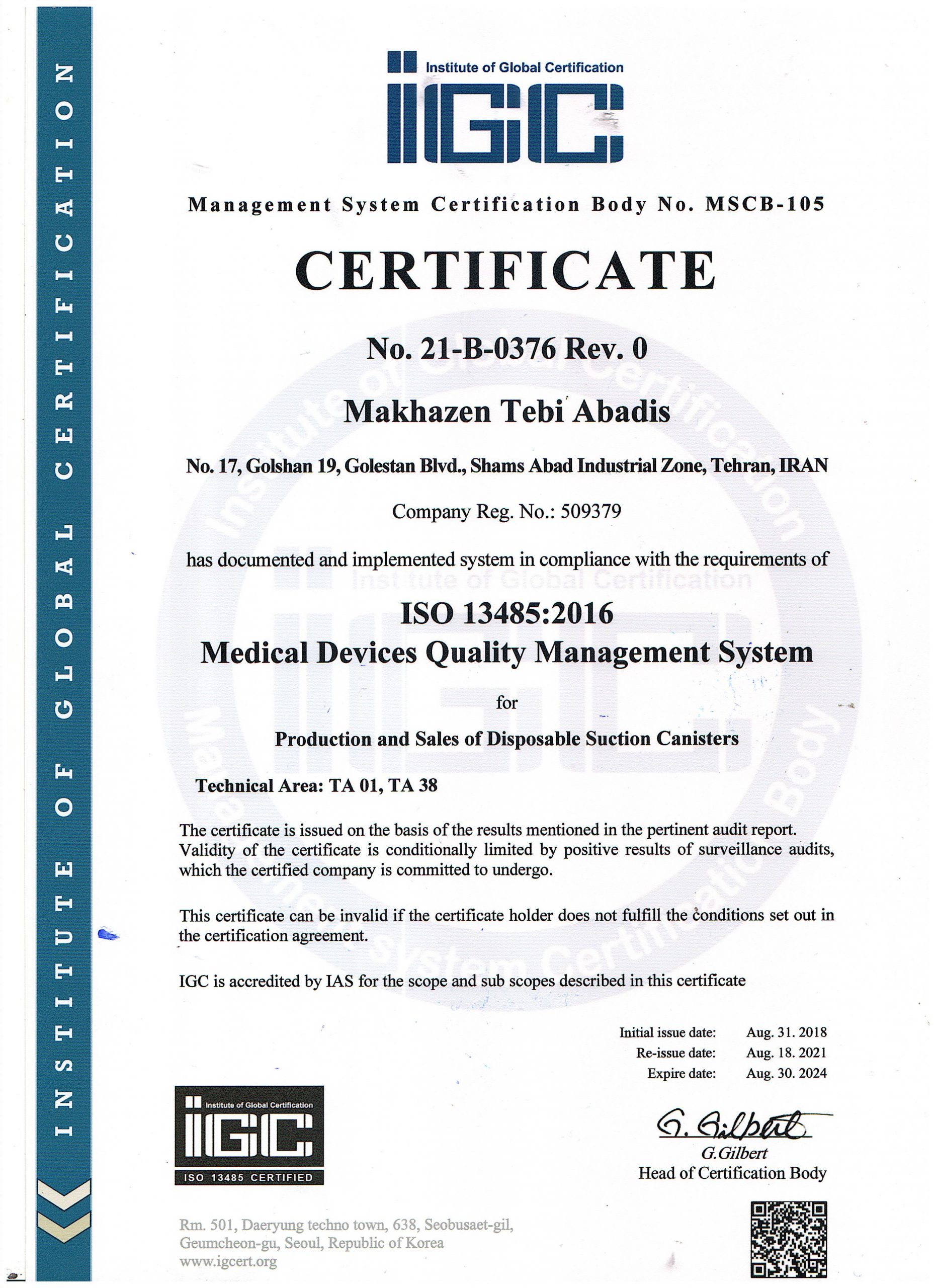
The Abadis three-liter sterile suction bag is intended for procedures such as liposuction and other sensitive surgeries. It is supplied sterile and ready for use in the operating room, allowing safer sampling of collected fluids.
When purchasing a sterile suction bag, the following should be checked:
- Packaging integrity
- Confirmation that the package has not been opened or punctured
- Manufacturing and expiration dates
- Sterility information displayed on the product
- Storage conditions
- Exact product code
- The manufacturer’s intended use
Sterility is a characteristic of a specific model and product code. It should therefore not be assumed that all suction bags produced by a particular brand are sterile.
5. Compatibility With Existing Suction Equipment and Canisters
Before purchase, the facility should confirm that the selected bag is compatible with its suction equipment, holder or outer canister, regulator, and existing connectors.
The bag must fit correctly inside the canister, and the lid must be secured without looseness or leakage. The patient port and vacuum port must also be compatible with the tubing used in the relevant department.
Abadis products are designed for use with central and portable suction systems. Nevertheless, before placing a bulk order, it is advisable to install and evaluate a product sample on the facility’s existing equipment.
When evaluating a sample, check the following:
- The bag fits correctly inside the canister.
- The lid is securely seated on the canister.
- The vacuum tubing connects to the designated port.
- The suction tubing connects to the patient port.
- There are no air leaks.
- The device provides adequate suction power.
- The bag remains securely in place when suction begins.
- The ports can be closed after use.
6. Quality of the Lid and Connectors
The quality of the lid and connectors is critical to the performance of a suction bag. If the lid does not fit the canister properly or the connection between the bag and the lid is weak, loss of suction or leakage is more likely.
A suitable suction bag should have the following characteristics:
- A secure connection between the bag and the lid
- Clearly identified patient and vacuum connection points
- Effective sealing
- Resistance to tearing
- Ports that can be closed after use
- Maintenance of suction power throughout use

7. Ability to Connect Multiple Bags in Series
In operating rooms and during certain surgical procedures, the capacity of a single bag may not be sufficient for the entire procedure. In such situations, connecting several bags in series can increase the total fluid-collection capacity.
In the Abadis system, two-liter bags can be connected in series using the appropriate stand and connectors to provide a total capacity of up to 8 liters. Three-liter bags can similarly be connected to provide a total capacity of up to 12 liters.
When purchasing bags for this purpose, ordering the bags alone is not sufficient. The procurement department must also consider the required stand, holders, and connectors.
Healthcare personnel must also be familiar with the correct method of connecting bags in series so that fluid enters the bags in the proper sequence and the system operates without loss of suction.
8. Ease of Installation and Use
Rapid equipment setup is important in hospitals. A bag that is difficult to install or has ports that are not clearly identified can increase the risk of user error.
A suitable suction bag should fit easily inside the canister, connect readily to the vacuum line, and be removable from the canister after use without direct contact with its contents.
Before placing a bulk order, it is advisable to provide several samples to the departments that will use the product. Nurses, operating-room personnel, and medical equipment staff can then evaluate how the bag is installed and used.
Proper user training is also essential. Even a high-quality product may lose suction, leak, or overflow if installed incorrectly.
9. Verification of Product Authorizations and Specifications
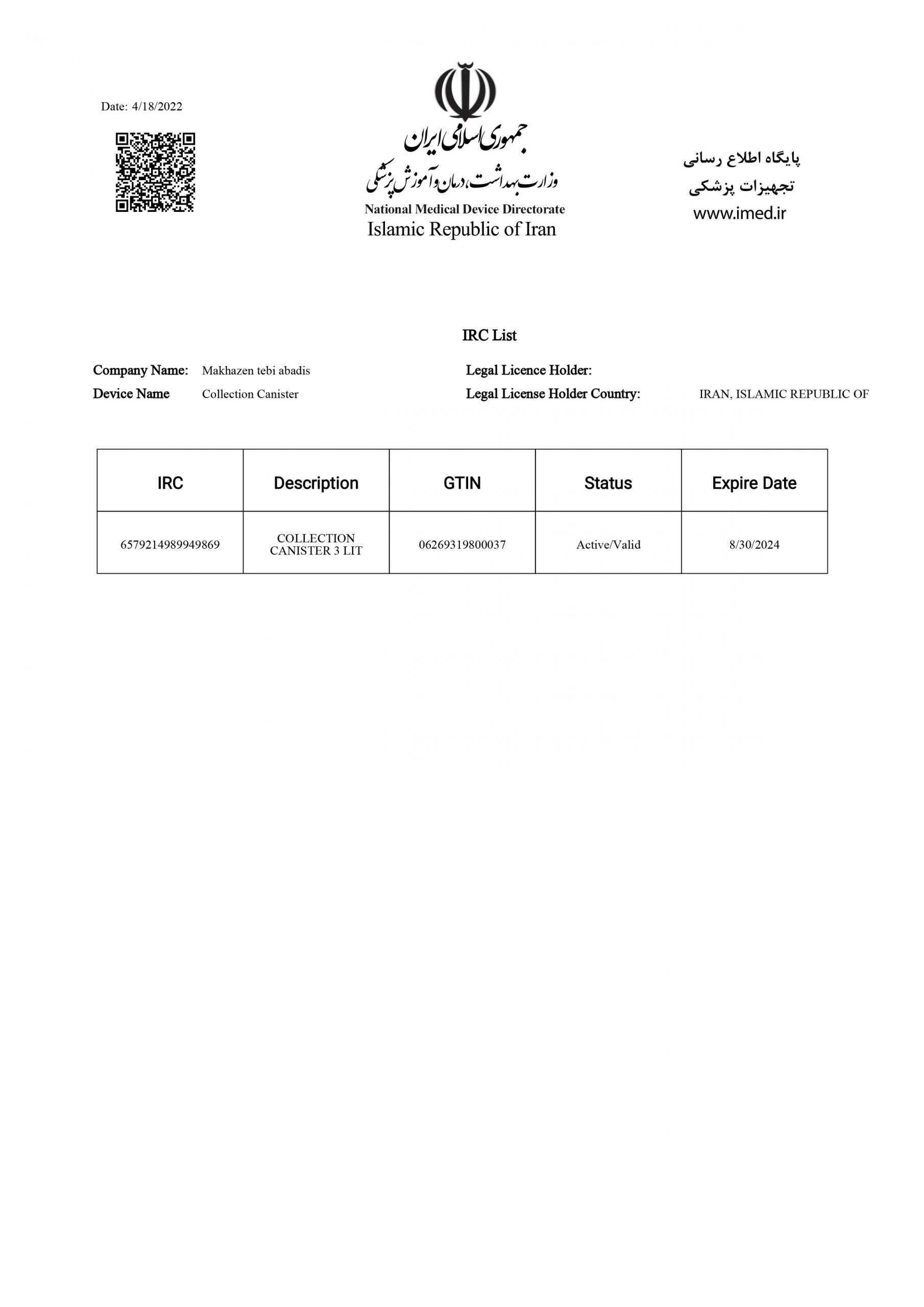
A suction bag is a consumable medical device and must carry verifiable specifications and regulatory authorizations. The procurement department should not check only the manufacturer’s name; it must verify the specifications of the exact model and product code being purchased.
Important information on the product and its packaging includes:
- Manufacturer’s name
- Product name and code
- Bag capacity
- Filter type
- Presence or absence of gelling powder
- Sterile or non-sterile status
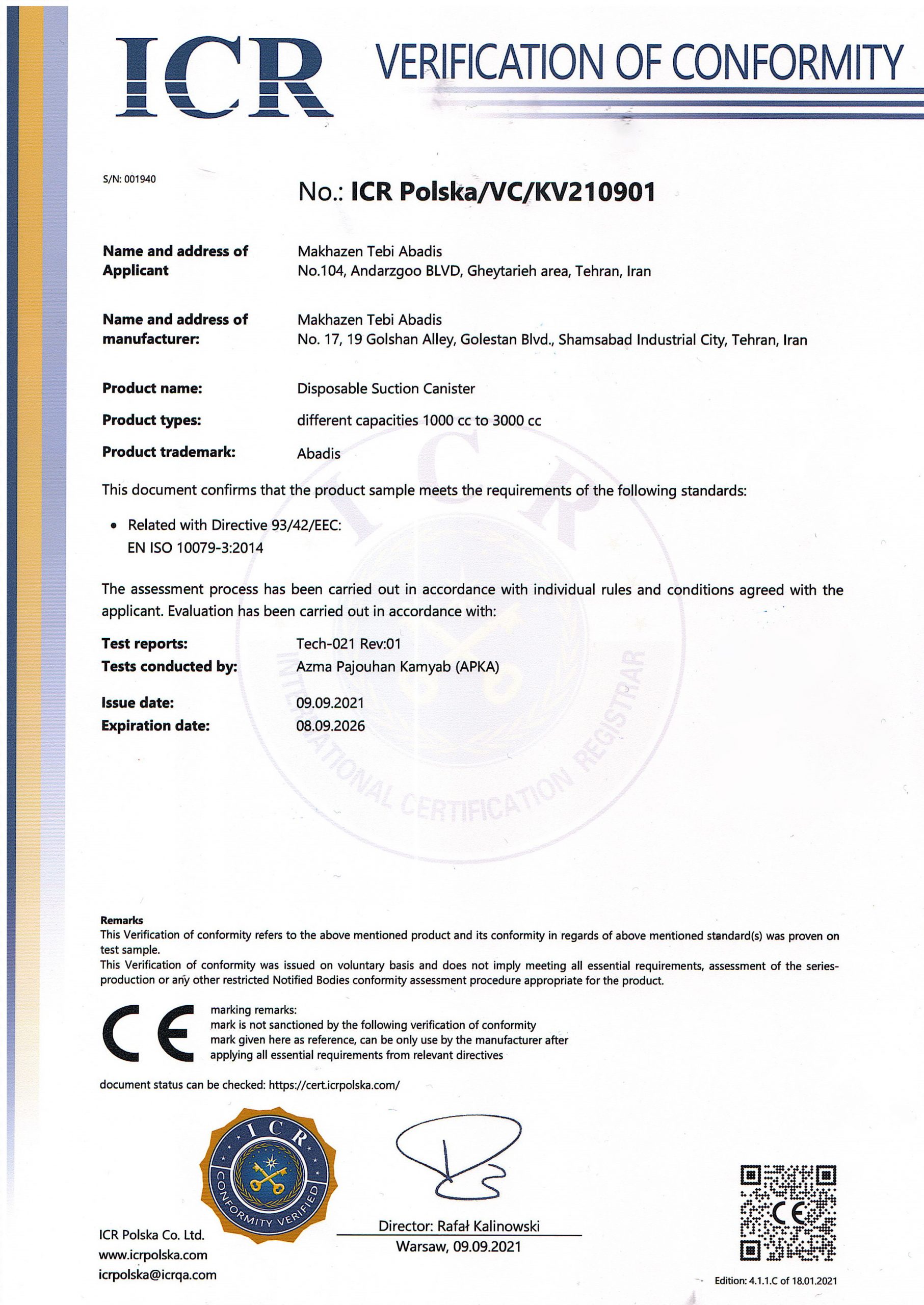
- IRC code or product registration identifier
- Lot number
- Manufacturing and expiration dates
- Storage conditions
- Number of units per carton
Recording the lot number when goods are received into inventory is important. If a problem arises or quality follow-up is required, the healthcare facility can identify the relevant shipment.
10. Price of Disposable Suction Bags
The price of a suction bag depends on several factors and should not be assessed solely on the basis of capacity.
The main factors affecting price include:
- One-, two-, or three-liter capacity
- Filter type
- Presence of gelling powder
- Sterile or non-sterile status
- Order quantity
- Type of packaging
- Required accessories
- Stands and holders
- Connectors and tubing
- Shipping and delivery terms
In institutional procurement, the lowest price does not always represent the best purchase. Lid quality, leak prevention, maintenance of suction power, filter performance, and ease of use should also be considered when comparing products.
Using disposable suction bags may also reduce some of the costs associated with washing fixed canisters, consuming water and disinfectants, and the time spent by support staff. The product’s price should therefore be evaluated alongside the ancillary costs of the facility’s current method.
How Can Each Department’s Required Capacity Be Determined?
To determine the required capacity and quantity, the procurement department can review each department’s consumption over a one-month period.
The following information should be collected:
- Number of times suction is used in each department
- Approximate volume of secretions
- Number of bags used per day
- Number of active beds
- Number of surgical procedures
- Potential for higher consumption on certain days
- Lead time required for replenishment
- Available storage space
Reviewing actual consumption helps prevent over-purchasing one capacity or running short of bags in high-use departments.
An appropriate level of safety stock should also be maintained for periods of increased consumption or supply delays, particularly in departments such as the ICU, emergency department, and operating room, where interruption of suction services is unacceptable.

Recommended Steps Before Placing a Bulk Order
To select the most appropriate suction bag, healthcare facilities are advised to take the following steps:
Identify Departmental Requirements
Prepare a list of the departments that use suction bags, the type of suction equipment in each department, the required capacity, and each department’s consumption level.
Select the Appropriate Model
Determine the required capacity, filter type, presence or absence of gelling powder, and sterile or non-sterile status based on the needs of each department.
Evaluate a Product Sample
Install a sample bag on the facility’s existing canisters and suction devices, and assess suction performance, absence of leakage, and ease of replacement.
Obtain Feedback From Healthcare Personnel
Nurses, operating-room staff, the medical equipment officer, and the infection-control officer should participate in evaluating the sample.
Record the Product Code
Once the sample has been approved, record the exact product code in the purchase request and contract to ensure that a different product is not delivered in place of the approved sample.
Provide Installation Training
Before distributing the product throughout the facility, train users in the correct procedures for installation, tubing connection, bag replacement, and disposal.
Common Mistakes When Purchasing Suction Bags
Certain purchasing mistakes can increase costs or cause problems during use:
- Purchasing solely on the basis of the lowest price
- Selecting a single capacity for all departments
- Failing to consider the filter type
- Purchasing a model without gelling powder for a department that requires a solidifying agent
- Using a non-sterile model for an application that requires a sterile product
- Failing to verify compatibility between the bag and the canister
- Purchasing bags without the necessary stands and connectors
- Failing to verify the IRC code and product specifications
- Failing to record lot numbers in inventory records
- Failing to train users in the correct installation procedure
- Reusing a single-use bag
- Disposing of the bag contrary to the hospital’s waste-management procedures
Disposable Suction Bag Purchasing Checklist
Before finalizing an order, answer the following questions:
- Which department is the bag being purchased for?
- What is the typical volume of secretions in that department?
- Is a one-, two-, or three-liter capacity most appropriate?
- Is the ability to connect multiple bags in series required?
- What type of filter should be selected?
- Does the product need to contain gelling powder?
- Does the department require a sterile bag?
- Is the bag compatible with the facility’s existing canister and suction equipment?
- Are a stand, holder, or additional connectors required?
- Has a product sample been tested on the facility’s equipment?
- Are the product code and IRC code clearly specified?
- Are the manufacturing and expiration dates acceptable?
- What quantity is required each month?
- When will the product be delivered?
- Will users receive installation and operating instructions?
Why Is Selecting the Right Abadis Suction Bag Model Important?
Abadis disposable suction bags are manufactured in a range of capacities and models. Filter type, the presence of gelling powder, and sterility are not the same across all models and depend on the specific product code.
For this reason, a purchase request should not simply state “Abadis suction bag.” The capacity, filter type, presence or absence of gelling powder, and sterile or non-sterile status must be specified precisely.
The Abadis product range makes it possible to select a more appropriate capacity and model for low-use departments, general wards, and operating rooms.
For a more precise recommendation, the healthcare facility can provide Abadis Medical Canisters specialists with information such as the department type, existing equipment, monthly consumption, and intended application.
Conclusion
When purchasing disposable suction bags, several characteristics must be evaluated together. Bag capacity, filter type, the presence of gelling powder, sterile or non-sterile status, equipment compatibility, and the quality of the lid and connectors are among the most important selection criteria.
One-liter bags are more suitable for low-volume applications, two-liter bags for general departmental use, and three-liter bags for operating rooms and high-volume applications. When required, several bags can also be connected in series using the appropriate stand and connectors.
Choosing the right suction bag can support more hygienic collection of secretions, reduce healthcare workers’ direct contact with infectious fluids, protect the central suction system, and lower some of the costs associated with washing and disinfecting permanent canisters.
To select the appropriate capacity, filter type, and product code, contact the specialists at Abadis Medical Canisters. Before placing a bulk order, you can also test a product sample on the healthcare facility’s existing equipment.
Scientific References and Standards
- World Health Organization, “Health-care waste”
Health-care waste – WHO - World Health Organization, “Safe management of wastes from health-care activities”
Safe management of wastes from health-care activities - U.S. Centers for Disease Control and Prevention, “Best Practices for Single-Use Devices”
Best Practices for Single-Use Devices – CDC - U.S. Centers for Disease Control and Prevention, “Reuse of Single-Use Medical Devices”
Reuse of Single-Use Medical Devices – CDC - U.S. Occupational Safety and Health Administration, Occupational Exposure to Blood and Other Potentially Infectious Materials
Bloodborne Pathogens Standard – OSHA - International standard specifying general requirements for medical suction equipment
ISO 10079-4:2021 - International standard specifying safety and performance requirements for suction equipment powered by a vacuum or positive-pressure gas source
ISO 10079-3:2022 - StatPearls medical reference on the use and safe principles of airway secretion suctioning
Surgical Airway Suctioning – NCBI Bookshelf - Scientific article on surgical fluid and waste management and a comparison of collection systems
Traditional canister-based open waste management system – PubMed - Scientific article on fluid-splash risks and liquid-waste management in the operating room
Neptune versus canister-based surgical waste management - Scientific article on operating-room waste and the risks associated with manually emptying suction canisters
People, planet and profits: greening the operating room