

























Introduction
The management of infectious healthcare waste is one of the fundamental pillars of safety in healthcare facilities. It plays a critical role in preventing the transmission of infectious agents, protecting the health of healthcare workers and patients, and minimizing environmental hazards. Hospitals, surgical centers, outpatient clinics, and other healthcare institutions generate substantial volumes of medical waste every day, a significant portion of which consists of infectious liquid waste. These wastes include blood, bodily secretions, surgical fluids, respiratory secretions, and other biological fluids that, if improperly managed, may become major sources of contamination within healthcare environments.
According to the World Health Organization (WHO), healthcare waste management extends far beyond final disposal. It begins at the point of waste generation and encompasses waste segregation, collection, storage, transportation, treatment, and final disposal. Any failure within this management chain increases the risk of pathogen transmission, environmental contamination, and occupational exposure of healthcare personnel to infectious materials. Consequently, the use of standardized equipment for the safe management of medical waste—particularly infectious liquid waste—has become an essential requirement in modern healthcare facilities.
Among these devices, the Disposable Suction Liner (DSL) serves a function that extends well beyond simple fluid collection. By providing a closed collection system for infectious fluids, disposable suction liners minimize the risks of leakage, splashing, direct contact, and cross-contamination while facilitating the safe handling of infectious liquid waste. This article examines the role of disposable suction liners throughout every stage of the hospital liquid waste management cycle and explains why they have become a standard solution in healthcare facilities worldwide.
Hospital Infectious Waste Management: A Chain That Begins at the Point of Generation
When discussing infectious waste management, many people think only of transporting or disposing of medical waste. However, according to international guidelines, waste management is a continuous process that begins at the exact moment waste is generated. If waste is not managed properly at its source, the likelihood of errors occurring during subsequent stages of the management process increases considerably.
Within hospitals, infectious waste is generated in numerous clinical settings, including operating rooms, emergency departments, intensive care units (ICUs), coronary care units (CCUs), inpatient wards, dressing rooms, and clinical laboratories. Each of these departments may produce different categories of infectious waste, ranging from sharps and contaminated dressings to laboratory specimens and infectious biological fluids.
Among all categories of medical waste, liquid infectious waste presents unique challenges because of its fluid nature. Blood, body fluids, surgical irrigation fluids, and other liquids collected through suction systems can readily contaminate surrounding surfaces, medical equipment, and healthcare personnel if leakage or improper handling occurs. Consequently, effective management of these wastes requires dedicated collection systems and strict adherence to established infection prevention guidelines.
Both the World Health Organization (WHO) and the Centers for Disease Control and Prevention (CDC) emphasize minimizing direct human contact with contaminated materials as one of the fundamental principles of healthcare waste management. This principle applies throughout the entire waste management process—not merely during final disposal. Accordingly, disposable devices, closed collection systems, and leak-resistant containers have all been developed to support safer handling of infectious waste.
Why Is Infectious Liquid Waste Considered One of the Highest-Risk Categories of Medical Waste?
Liquid waste generated in healthcare facilities typically consists of blood, body secretions, tissue debris, surgical irrigation solutions, and other biological materials. These fluids may contain pathogenic microorganisms, including viruses, bacteria, and other infectious agents. Therefore, any leakage, splashing, or direct contact with these fluids significantly increases the risk of disease transmission.
Unlike solid medical waste, which is generally contained in designated bags or rigid containers, liquid waste can spread rapidly if improperly managed. Even a relatively small volume of contaminated fluid spilled onto floors or medical equipment may result in widespread environmental contamination and complicate decontamination procedures.
Furthermore, many medical procedures generate substantial volumes of liquid waste. During general surgery, orthopedic procedures, cardiovascular surgery, neurosurgery, and laparoscopic operations, suction systems are continuously used to remove blood and bodily fluids from the operative field. Therefore, fluid collection devices must provide not only sufficient capacity but also an appropriate level of safety for healthcare environments.
Another significant challenge involves transporting infectious liquid waste after clinical procedures have been completed. If the collection system is not specifically designed for safe transfer, the risks of leakage, splashing, and occupational exposure increase substantially. For this reason, many healthcare facilities have replaced traditional reusable collection systems with disposable suction liners.
What Is a Disposable Suction Liner and How Does It Work?
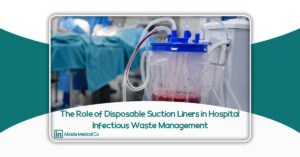
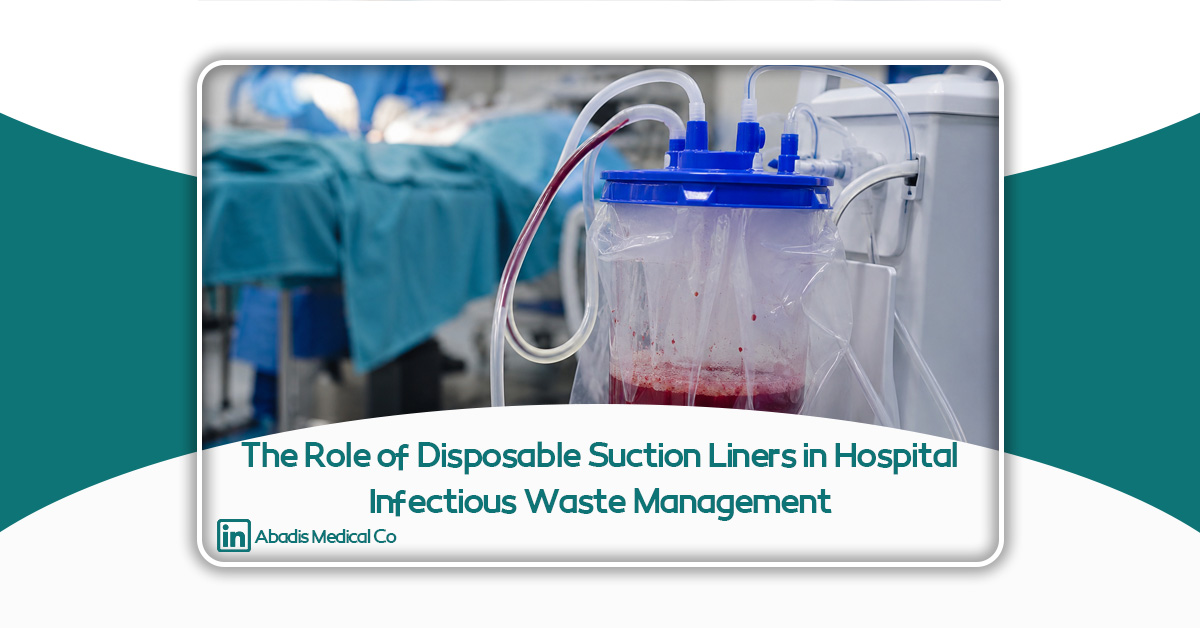
A disposable suction liner is a flexible collection bag placed inside the rigid canister of a medical suction system, where it directly collects aspirated fluids. These liners are generally manufactured from puncture-resistant and leak-resistant medical-grade polymers. Depending on the design, they may also incorporate antibacterial filters, hydrophobic filters, sealing caps, automatic shut-off valves, or fluid-solidifying agents.
During surgical procedures or other clinical interventions, blood and bodily fluids are aspirated through suction tubing directly into the liner. Once the liner reaches its recommended capacity or the procedure is completed, it is removed from the canister without emptying its contents. The sealed liner is then packaged according to infectious waste management protocols and transported for treatment or final disposal.
The principal advantage of this system over reusable canisters lies in eliminating the need for manual emptying of contaminated fluids. As a result, one of the highest-risk stages of liquid waste management—the transfer of infectious fluids from reusable containers to disposal systems—is completely eliminated. This significantly reduces healthcare workers’ direct exposure to infectious waste while minimizing aerosol generation, fluid splashing, and environmental contamination.
Recent technological advances have transformed disposable suction liners from simple consumable products into integral components of comprehensive infectious liquid waste management systems. Features such as hydrophobic filtration, overflow protection mechanisms, and integrated fluid-solidifying agents demonstrate the ongoing evolution of medical device technology toward reducing occupational and environmental risks associated with infectious healthcare waste.
The Role of Disposable Suction Liners in the Hospital Infectious Waste Management Cycle
Although a disposable suction liner may appear to be merely a component of the suction system, from the perspective of healthcare waste management it represents a critical link in the infection prevention chain. Its function extends beyond fluid collection, contributing to contamination control and occupational safety from the moment infectious liquid waste is generated until it is transferred for treatment or final disposal.
To better understand its importance, it is helpful to examine the role of disposable suction liners at each stage of the infectious waste management cycle.
1. Collection of Infectious Liquid Waste
The first and most critical step in healthcare waste management is the safe collection of waste at its point of generation. In operating rooms, intensive care units, emergency departments, labor and delivery units, dialysis centers, and numerous other clinical settings, infectious fluids are generated continuously during patient care. If these fluids are not safely contained from the outset, the likelihood of leakage and environmental contamination increases substantially.
A disposable suction liner, positioned inside the suction canister, enables the direct collection of blood, body fluids, and other potentially infectious biological materials. Once aspirated into the system, these fluids remain enclosed within a sealed collection chamber until disposal.
This closed collection approach offers several important advantages:
- Reduces the risk of fluid leakage during clinical use.
- Minimizes direct contact between healthcare workers and contaminated fluids.
- Prevents contamination of surfaces surrounding the suction equipment.
- Supports a cleaner and safer clinical environment during patient care.
The more effectively infectious waste is contained at its source, the safer and more efficient the subsequent stages of waste management become.
2. Reducing Occupational Exposure to Infectious Waste
One of the primary objectives of infection prevention programs is to minimize occupational exposure to blood and other potentially infectious body fluids. Nurses, operating room personnel, anesthesia professionals, and environmental services staff are among those who most frequently handle suction systems.
Traditionally, once a reusable suction canister became full, healthcare personnel were required to empty its contents manually before cleaning and disinfecting the container for reuse. This procedure was not only labor-intensive but also significantly increased the risks of splashing, aerosol generation, and direct exposure to infectious materials.
Disposable suction liners eliminate this high-risk step. After use, the liner is removed from the canister, sealed securely, and transferred directly into the infectious waste management stream without requiring manual emptying.
Although seemingly simple, this modification substantially reduces occupational exposure and represents one of the primary reasons why disposable suction systems have gained widespread adoption in modern healthcare facilities.
3. Safe Temporary Storage of Infectious Liquid Waste
Following collection, infectious liquid waste is typically stored temporarily within clinical departments or designated waste storage areas before being transported for treatment or disposal. During this stage, preventing leakage is of paramount importance, as any fluid escape can contaminate surrounding areas and complicate decontamination procedures.
Standard disposable suction liners are manufactured from durable, puncture-resistant materials designed to withstand routine clinical handling. Many models also incorporate sealing caps or integrated closure mechanisms that securely contain fluids after use.
These features facilitate safer temporary storage while significantly reducing the likelihood of environmental contamination within healthcare facilities.
4. Internal Transportation of Infectious Waste
Transporting infectious waste from patient care areas to centralized storage or treatment facilities is one of the most sensitive phases of healthcare waste management. Even minor leakage or fluid splashing during transportation may expose waste handlers, contaminate transport routes, and increase the risk of cross-contamination throughout the hospital.
Disposable suction liners enhance transportation safety by providing an independent, fully enclosed collection system. Models equipped with sealing mechanisms or fluid-solidifying technology offer an even greater level of protection by minimizing leakage during movement.
This benefit is particularly valuable in large hospitals, where hundreds of suction liners may be transported daily as part of routine clinical operations.
5. Final Treatment and Disposal
The final stage of infectious waste management involves treatment, decontamination, or ultimate disposal. When preceding stages have been properly executed, infectious waste reaches the treatment facility without direct handling by personnel and with minimal risk of environmental contamination.
Disposable suction liners are specifically designed so that, once removed from the suction canister, they require neither opening nor manual emptying. Maintaining this closed collection pathway from the point of generation through final disposal preserves the integrity of the infection control process and substantially reduces contamination risks during the final stage of waste management.
Contribution of Disposable Suction Liners Throughout the Infectious Waste Management Cycle
| Waste Management Stage | Role of Disposable Suction Liner | Primary Outcome |
|---|---|---|
| Collection | Collects infectious fluids within a closed system | Reduced leakage and direct exposure |
| Temporary Storage | Securely contains infectious liquids | Prevention of environmental contamination |
| Internal Transportation | Enables safe transport of infectious waste | Reduced risk of leakage and splashing |
| Final Disposal | Eliminates manual emptying of contaminated fluids | Reduced occupational exposure |
Why Are Closed Collection Systems Important?
One of the most significant developments in healthcare waste management over recent years has been the adoption of Closed Fluid Collection Systems. In these systems, infectious fluids remain enclosed from the moment they enter the suction device until their final treatment or disposal, eliminating the need for manual transfer between containers.
Disposable suction liners constitute a fundamental component of these closed collection systems. By eliminating high-risk procedures such as manually emptying suction canisters, they substantially reduce aerosol generation, fluid splashing, and direct contact with blood and other potentially infectious materials.
For these reasons, many healthcare organizations now prioritize closed collection technologies as part of comprehensive infection prevention strategies aimed at improving occupational safety while strengthening compliance with healthcare waste management protocols.
Technologies Incorporated into Disposable Suction Liners and Their Impact on Infectious Waste Management
Advances in medical device technology have transformed modern disposable suction liners from simple fluid collection bags into sophisticated safety systems designed to minimize the risks associated with infectious liquid waste. Contemporary suction liners incorporate multiple engineering features that enhance occupational safety, improve infection prevention, and facilitate safer waste management throughout healthcare facilities.
Selecting a suction liner equipped with these safety features can significantly improve both personnel protection and the overall efficiency of healthcare waste management programs.
Antibacterial and Hydrophobic Filters
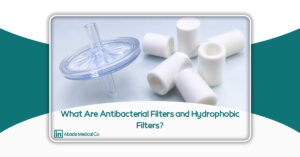
One of the most important features incorporated into many high-quality disposable suction liners is the antibacterial hydrophobic filter. This component serves two essential functions: preventing liquids from entering the suction equipment while limiting the passage of moisture and certain airborne contaminants through the vacuum system.
During suction procedures, both air and fluids travel through the collection system. Without adequate filtration, moisture may enter the vacuum line, increasing the risk of equipment contamination and compromising the performance of the suction unit.
The incorporation of antibacterial hydrophobic filters provides several important benefits:
- Reduces the risk of contamination of the suction equipment.
- Prevents liquid penetration into the vacuum system.
- Enhances the overall safety of fluid collection.
- Helps maintain consistent performance of the suction device.
It should be noted that filter design and performance vary among manufacturers. Therefore, healthcare facilities should carefully evaluate technical specifications before selecting a product.
Overflow Protection Systems
Overfilling a suction liner may allow contaminated fluids to enter the vacuum circuit, potentially damaging equipment and increasing contamination risks.
To address this issue, many standard disposable suction liners incorporate overflow protection mechanisms. Once the fluid reaches a predetermined level, the system automatically restricts or interrupts suction, preventing further fluid movement toward the vacuum source.
This feature not only protects the suction equipment but also minimizes leakage and environmental contamination.
Sealing Cap Systems
Many disposable suction liners are equipped with integrated sealing caps that securely close the opening of the liner after use.
This feature is particularly valuable during waste transportation. Once sealed, the liner greatly reduces the possibility of fluid leakage even when subjected to routine movement or handling, thereby improving transportation safety and reducing the risk of accidental contamination.
Fluid-Solidifying Agents
Some suction collection systems incorporate fluid-solidifying agents, which rapidly convert collected liquids into a semi-solid gel.
Following contact with biological fluids, these agents form a stable gel within a relatively short period, providing several advantages:
- Reduced risk of leakage during transportation.
- Lower probability of fluid splashing.
- Easier handling of infectious waste.
- Reduced environmental contamination if the liner is accidentally damaged.
Although solidifying agents enhance safety, they should be regarded as complementary measures rather than substitutes for established healthcare waste management protocols.
Common Errors in the Management of Infectious Liquid Waste
The effectiveness of standard medical devices depends not only on their design but also on their correct use. Improper handling practices can significantly increase the risk of contamination despite the use of high-quality equipment.
Overfilling the Suction Liner
One of the most common errors is allowing the liner to reach or exceed its maximum capacity.
Overfilling increases internal pressure, compromises system performance, and elevates the risk of leakage. For this reason, suction liners should be replaced before reaching their maximum recommended fill volume.
Reusing Disposable Suction Liners
Disposable suction liners are intended strictly for single use.
Reusing these devices violates infection prevention principles and substantially increases the risk of cross-contamination between patients, healthcare personnel, and clinical environments.
Improper Installation
Incorrect placement of the liner inside the suction canister may interfere with system performance and increase the likelihood of leakage.
Comprehensive staff training on proper installation, operation, and removal procedures is therefore essential for minimizing user-related errors.
Delayed Waste Disposal
Prolonged storage of infectious liquid waste within clinical departments increases the likelihood of microbial proliferation, unpleasant odors, and accidental exposure.
Collected waste should be transferred promptly in accordance with the healthcare facility’s waste management protocol.
Use of Non-Standard Products
Not all disposable suction liners provide the same level of quality or safety.
Products manufactured from low-grade materials or lacking essential safety features may be more susceptible to puncture, tearing, or leakage, thereby increasing occupational and environmental risks.
Selecting a High-Quality Disposable Suction Liner
Selecting an appropriate disposable suction liner should involve more than simply comparing prices or capacities. Healthcare facilities should evaluate products based on their safety performance, material quality, compatibility with existing equipment, and compliance with applicable medical device standards.
Key selection criteria include:
- Manufacture from high-quality medical-grade materials.
- High resistance to puncture and tearing.
- Reliable sealing capability.
- Compatibility with existing suction canisters.
- Availability of antibacterial and hydrophobic filtration (where applicable).
- Integrated overflow protection.
- Appropriate collection capacity for the intended clinical application.
- Compliance with recognized medical device standards.
- Transparent technical documentation provided by the manufacturer.
In addition to these technical considerations, healthcare facilities should also assess manufacturer reputation, product consistency, technical support, and after-sales service when making purchasing decisions.
The Importance of Staff Education in Infectious Liquid Waste Management
Even the most advanced medical devices cannot achieve their full safety potential without appropriate user training.
Healthcare personnel should receive comprehensive instruction regarding the proper installation, operation, removal, sealing, transportation, and disposal of disposable suction liners.
Regular educational programs, clearly documented institutional protocols, and continuous monitoring of compliance all contribute significantly to reducing human error and improving overall safety within healthcare facilities.
Furthermore, the consistent use of appropriate personal protective equipment (PPE)—including gloves, gowns, and face protection—remains an indispensable component of infection prevention whenever infectious waste is handled or transported.
Conclusion
The management of infectious healthcare waste extends far beyond the collection and disposal of medical waste. Rather, it is a structured, multi-stage process that begins at the point of waste generation and continues through segregation, collection, storage, transportation, treatment, and final disposal. Among the various categories of healthcare waste, infectious liquid waste presents unique challenges due to its high potential for leakage, splashing, environmental contamination, and transmission of infectious agents. Consequently, its safe management requires both specialized equipment and strict adherence to established infection prevention protocols.
Disposable suction liners have become an integral component of modern medical fluid collection systems, playing a significant role in enhancing the safety of infectious liquid waste management. By providing a closed collection system for blood, bodily fluids, and other potentially infectious materials, these devices substantially reduce direct occupational exposure, minimize environmental contamination, and lower the risk of pathogen transmission throughout the waste management process.
Furthermore, eliminating the need for manual emptying of reusable suction canisters reduces one of the highest-risk procedures associated with liquid waste handling. Improved containment during temporary storage, safer internal transportation, and a reduced likelihood of leakage collectively contribute to a safer working environment for healthcare professionals and support more effective infection prevention practices.
Nevertheless, the use of disposable suction liners alone does not guarantee safe infectious waste management. Maximum effectiveness can only be achieved when these devices are incorporated into a comprehensive waste management program that includes appropriate waste segregation, proper collection procedures, secure storage, safe transportation, compliant treatment and disposal practices, continuous staff education, and consistent use of personal protective equipment (PPE).
Ultimately, selecting high-quality disposable suction liners from reputable manufacturers, together with adherence to internationally recognized healthcare waste management guidelines, can significantly enhance patient safety, protect healthcare personnel, strengthen infection prevention programs, and improve the overall quality of healthcare waste management within medical facilities.
References
The following references are recommended to support the scientific credibility of this article:
- World Health Organization (WHO). Safe Management of Wastes from Health-Care Activities. 2nd ed. Geneva: World Health Organization.
- World Health Organization (WHO). Health-care Waste: Fact Sheet.
- Centers for Disease Control and Prevention (CDC). Guidelines for Environmental Infection Control in Health-Care Facilities.
- Centers for Disease Control and Prevention (CDC). Regulated Medical Waste.
- Occupational Safety and Health Administration (OSHA). Bloodborne Pathogens Standard (29 CFR 1910.1030).
- Association for the Advancement of Medical Instrumentation (AAMI). ANSI/AAMI ST79: Comprehensive Guide to Steam Sterilization and Sterility Assurance in Health Care Facilities.
- Association of periOperative Registered Nurses (AORN). Guidelines for Perioperative Practice.
- Association for Professionals in Infection Control and Epidemiology (APIC). Infection Prevention and Control Resources.
- United Nations Environment Programme (UNEP). Compendium of Technologies for Treatment/Destruction of Healthcare Waste.
- Peer-reviewed articles indexed in PubMed on:
- Disposable Suction Liners
- Closed Fluid Collection Systems
- Healthcare Waste Management
- Infectious Medical Waste
- Infection Prevention and Control