

























Introduction
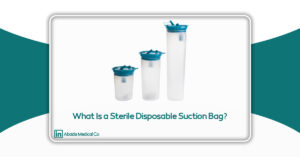
Today, with advances in medical sciences and the expansion of healthcare services, the use of disposable medical devices has become an integral part of treatment and surgery processes. One of these devices is the disposable suction bag, which plays a vital role in safely collecting, storing, and disposing of medical fluids and secretions. Although seemingly simple, this device can have a direct impact on patient safety, hospital infection control, and even environmental protection.
In the past, the use of permanent suction containers and systems was common, requiring cleaning and disinfection. This process was not only time-consuming and costly but also, if performed inadequately, could lead to the spread of pathogens and increased hospital-acquired infections. Therefore, the production and use of disposable suction bags as a safe, hygienic, and cost-effective solution have expanded in many healthcare centers worldwide.
However, the safe and effective use of this product is only possible if it is designed and manufactured according to national and international standards. Standards are a set of technical and quality requirements that ensure the final product meets the highest levels of safety, performance, durability, and biocompatibility. These requirements not only guarantee the health of patients and healthcare staff but also play an important role in reducing environmental impact and supporting sustainable development.
Globally, standards such as ISO 13485:2016 (Medical Devices Quality Management System), ISO 14971 (Risk Management for Medical Devices), and the European Union’s Medical Device Regulation (MDR) provide comprehensive frameworks for manufacturers to supply products that meet market needs and legal requirements. In Iran, the Institute of Standards and Industrial Research of Iran (ISIRI) and the Iran Medical Equipment Directive (IMED) serve as official bodies that establish and enforce specific requirements for the production, import, and distribution of disposable suction bags.
The aim of this article is to provide a comprehensive review of the existing standards related to the production of disposable suction bags—from international and European frameworks to Iran’s national regulations. By reviewing these standards, manufacturers, importers, and healthcare centers can gain greater awareness of the technical and legal requirements and take important steps to improve healthcare quality, reduce infections, and protect the environment.
Standards Required for Manufacturing Disposable Suction Bags
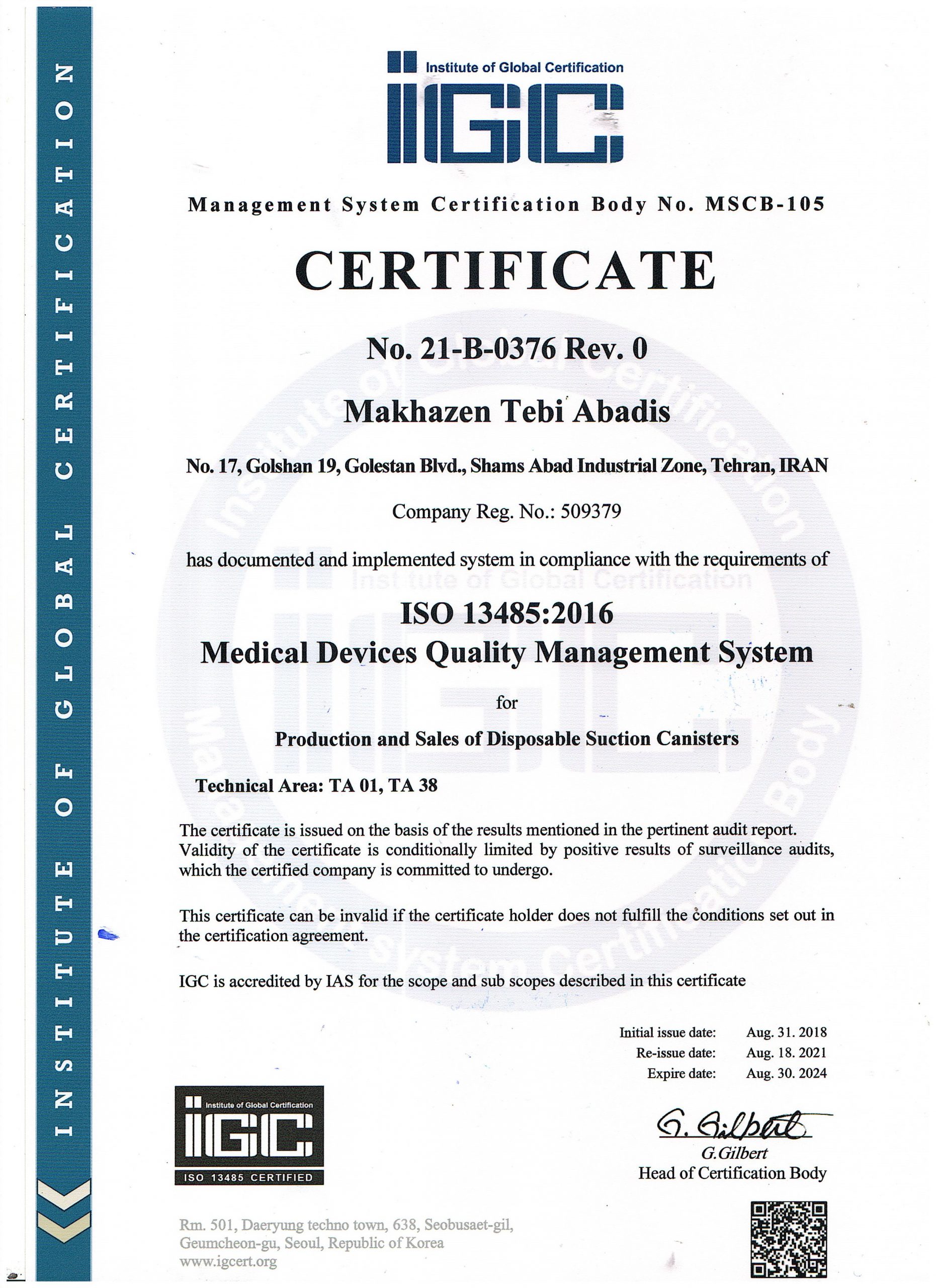
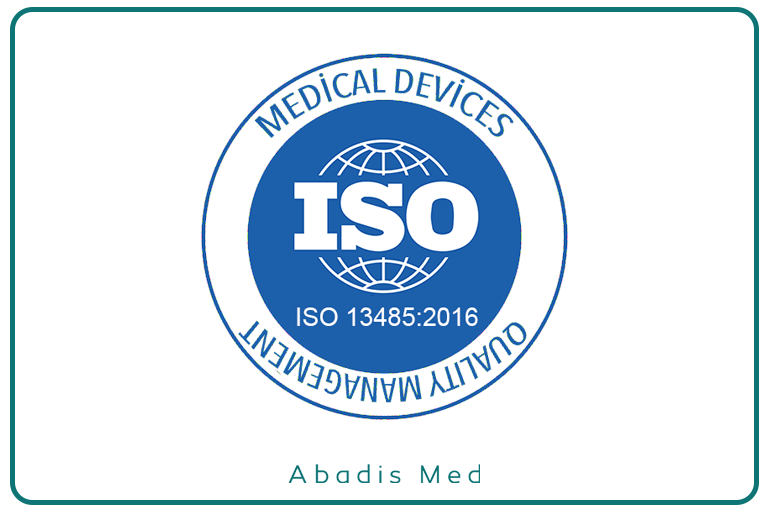
ISO 13485:2016 – Medical Devices Quality Management System
ISO 13485:2016 is one of the most important international standards in the medical device manufacturing sector, including disposable suction bags. This standard provides a comprehensive framework for the design, production, installation, and post-market service of medical devices to ensure that products comply with legal requirements and customer needs.
Why ISO 13485 is Important for Disposable Suction Bag Production?
• Patient and Healthcare Staff Safety: Suction bags come into direct contact with patient fluids and secretions, making quality manufacturing and process control critical to prevent contamination or defects.
• Quality Assurance: The standard emphasizes detailed documentation of all production steps, raw material controls, quality reviews, and customer feedback, reducing errors and enhancing product quality.
• Regulatory Compliance: Many countries require manufacturers to hold ISO 13485 certification for importing and marketing medical devices.
Key Points of ISO 13485:2016
• Complete Process Documentation: Each production stage—from raw material procurement to assembly, quality control, and packaging—must be documented and traceable.
• Risk Management: Manufacturers must identify and plan to mitigate all risks related to the product, which is vital given the patient safety concerns.
• Inspection and Quality Control: Establish inspection points throughout production to ensure the product meets technical and hygienic specifications, including tests for bag thickness, leak resistance, and sterilization.
• Personnel Training: Production staff must be trained and familiar with standards and procedures.
• Customer Feedback and Continuous Improvement: Regularly review complaints and market feedback to improve processes and products.
Important Requirements for Disposable Suction Bags Based on ISO 13485:2016
• Bags must be made of biocompatible and safe materials.
• Production must occur in controlled, clean environments to prevent contamination.
• The bags should be compatible with common sterilization methods (e.g., ethylene oxide or gamma radiation).
• Bags must have sufficient durability to contain infectious fluids without leakage.
• Full documentation of each production batch for traceability and quality control.
ISO 10993 – Biological Evaluation of Medical Devices
ISO 10993 is a set of international guidelines for the biological evaluation of materials and medical devices to ensure their safety and compatibility with living tissues. This standard is crucial to prevent adverse reactions such as toxicity, sensitization, or inflammation in patients.
Application of ISO 10993 to Disposable Suction Bags
Disposable suction bags generally come into contact with body fluids and tissues but are often produced and used as non-sterile products because sterility is not required for many common applications. Therefore, full ISO 10993 requirements typically do not apply to these products currently.
Future Production of Sterile Suction Bags
For products such as sterile suction bags designed for more sensitive applications (e.g., collecting tissues and fats), compliance with ISO 10993 will be essential. In these cases, biological evaluations including toxicity, sensitization, and sterilization tests must be thoroughly conducted to ensure patient safety.
National Standards of Iran (ISIRI) and Their Role in Producing Disposable Suction Bags
The Institute of Standards and Industrial Research of Iran (ISIRI) is the official body responsible for developing, updating, and overseeing national standards in Iran. Its main objective is to ensure the quality, safety, and health of products and services available in the Iranian market, including medical devices like disposable suction bags.
Importance of ISIRI Standards for Disposable Suction Bags
• Ensuring Quality of Raw Materials: ISIRI specifies that raw materials must be compatible with body fluids, non-toxic, non-allergenic, and physically durable. For example, the bag material must comply with Iran’s health polymer standards.
• Technical and Functional Standards: ISIRI defines parameters such as bag thickness, resistance to tearing or leakage, mechanical and thermal resistance, and reliability under various conditions.
• Hygiene and Packaging: ISIRI addresses hygienic packaging and storage requirements, including important labeling information like production date, batch number, storage conditions, and safety warnings.
• Quality Control and Testing: Products must undergo stringent quality tests like leak testing, tensile testing, and biocompatibility tests as defined by ISIRI, with mandatory adherence by manufacturers.
Process of ISIRI Standard Development and Updates
ISIRI continuously updates standards by consulting experts, manufacturers, and research centers to align with technological advances and international requirements, including:
• Reviewing global standards and adapting them to local conditions.
• Collecting feedback from producers and consumers.
• Conducting extensive field and laboratory tests.
Benefits of Complying with ISIRI Standards for Manufacturers
• Greater consumer trust: ISIRI-certified products gain confidence from hospitals and domestic healthcare providers.
• Regulatory and legal facilitation: ISIRI certification eases obtaining marketing and distribution licenses.
• Export opportunities: Alignment with international standards opens access to foreign markets.
European Medical Device Regulation (MDR 2017/745)
MDR is one of the most comprehensive and strict regulations governing the manufacture, quality control, marketing, and surveillance of medical devices in the European Union. It replaces the previous Medical Device Directive (MDD) and aims to enhance patient safety and product quality.
1. Scope and Application of MDR
• MDR applies to all medical devices, including electronics, surgical tools, and consumables like disposable suction bags.
• It covers devices in direct or indirect contact with the human body; suction bags fall under this category due to their medical use and fluid contact.
2. Classification of Medical Devices under MDR
Devices are categorized by risk level:
• Class I: Lowest risk (e.g., simple non-invasive devices)
• Class IIa and IIb: Medium to high risk (e.g., devices connected to the body or complex systems)
• Class III: Highest risk (e.g., implants and critical devices)
Disposable suction bags are generally Class I or IIa, depending on application and product specifics.
3. Key MDR Requirements for Disposable Suction Bags
• Conformity Assessment: Manufacturers must demonstrate product compliance with MDR’s technical and legal requirements through clinical evaluations, technical reviews, and independent inspections by notified bodies.
• Quality Management System: A robust QMS based on ISO 13485 is mandatory, covering production control, risk assessment, complaint handling, and detailed documentation.
• Technical Documentation: Complete records of design, manufacturing, testing, risk assessments, and clinical results must be maintained and provided for regulatory review.
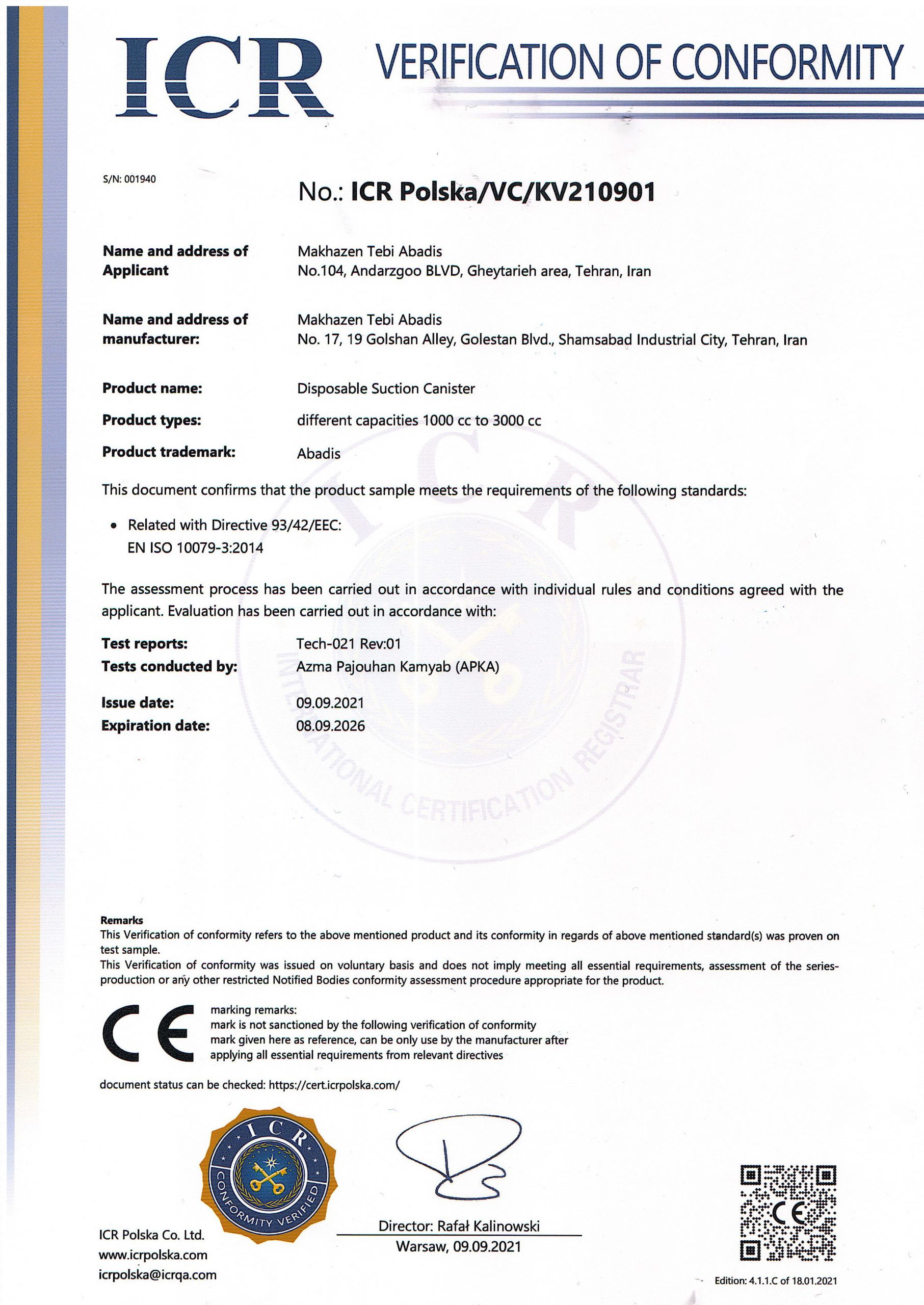
• Labeling and Product Information: Products must bear the CE mark, indicating MDR compliance, with clear instructions, warnings, storage conditions, and expiration dates.
• Post-Market Surveillance: Manufacturers are obligated to monitor, report, and address issues and adverse events promptly.
4. Importance of MDR
• Enhances patient safety by requiring rigorous pre-market evaluation.
• Increases transparency via documented, traceable production and quality processes.
• Supports manufacturers in entering and maintaining EU markets.
• Prevents legal risks including fines, sales bans, and reputational damage.
5. Challenges and Opportunities for Suction Bag Manufacturers
• Challenges include high investment in clinical evaluations, complex documentation, and quality systems.
• Opportunities include access to the large European market, improved product quality and credibility, and increased customer trust.
IMED Regulatory Framework for Disposable Suction Bag Production in Iran
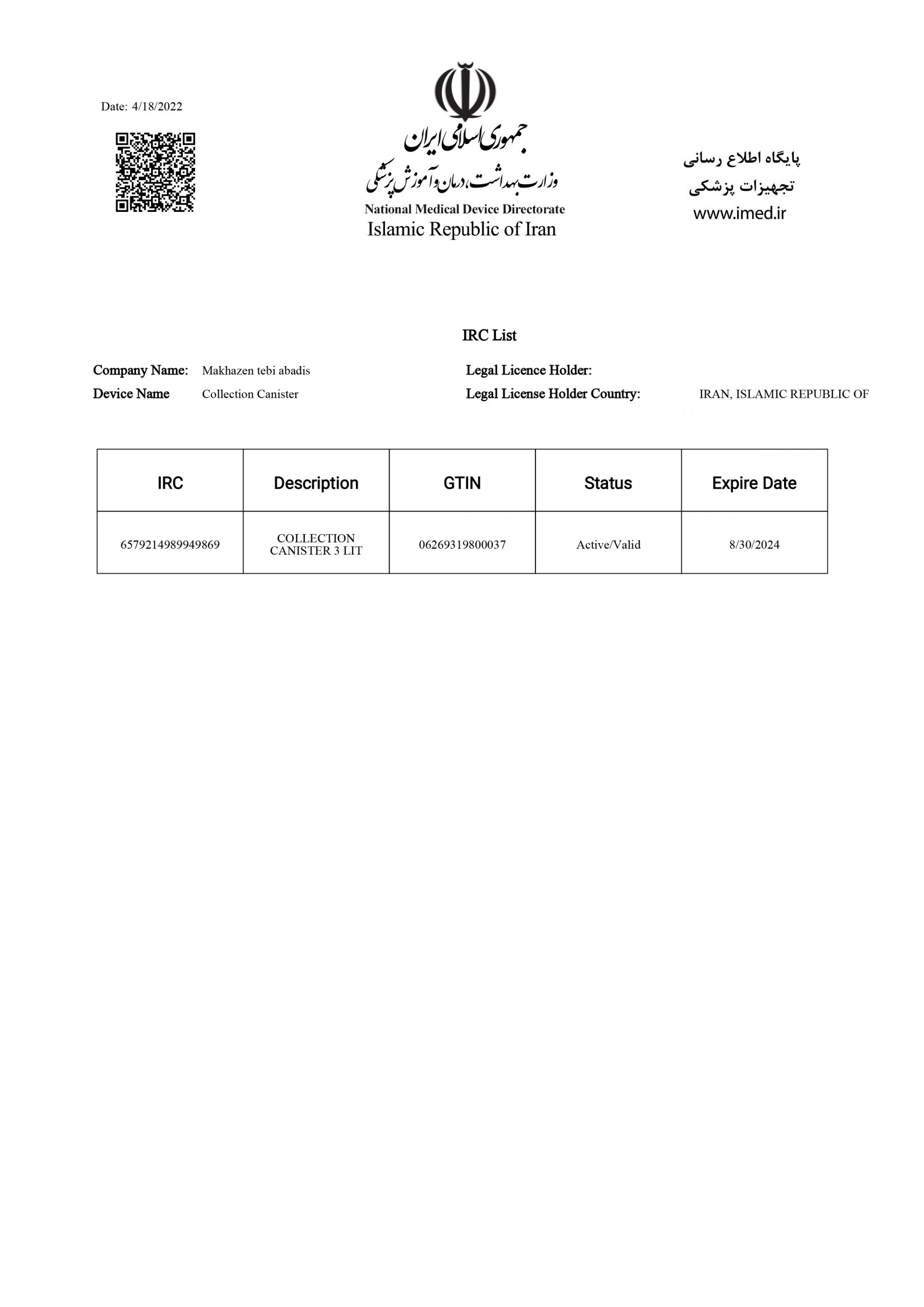
While technical standards such as ISO 13485 and MDR specify quality and safety requirements, IMED (Iran Medical Equipment Directive) serves as a regulatory and legal framework within Iran. It ensures that all medical devices, including disposable suction bags, comply with the Ministry of Health’s laws and regulations for production, registration, and distribution.
Unlike technical standards focused on product quality and safety, IMED covers product registration, licensing, documentation, and post-market monitoring. Manufacturers must align their processes with IMED requirements alongside international and national standards to legally market their products.
Conclusion
The production of disposable suction bags, as one of the essential medical devices, requires adherence to a set of national and international standards to ensure both patient safety and the highest possible product quality. Standards such as ISO 13485:2016 serve as a foundation for quality management systems in medical device manufacturing and play a key role in guaranteeing product quality and regulatory compliance. Compliance with national standards like ISIRI also ensures that products meet the needs and technical requirements of the domestic market.
On the other hand, the comprehensive and stringent Medical Device Regulation (MDR) of the European Union facilitates access to global markets and enhances the safety and quality of medical devices. These regulations emphasize technical documentation, risk assessment, and post-market surveillance to prevent potential issues.
The importance of complying with these standards lies not only in protecting the health of patients and users of medical devices but also in increasing customer trust, expanding international markets, and elevating the manufacturers’ position in the medical industry. Therefore, a thorough understanding and full implementation of these standards are essential and vital for manufacturers of disposable suction bags.
Finally, given the growing and continuously evolving regulations in the medical device field, continuous updating of knowledge and compliance with the latest standards are the keys to success in this sensitive and competitive industry.
References
• ISO 13485:2016 — Medical devices — Quality management systems — Requirements for regulatory purposes, International Organization for Standardization (ISO).
• ISIRI Standards — Institute of Standards and Industrial Research of Iran, www.isiri.gov.ir
• Medical Device Regulation (MDR) (EU) 2017/745, European Commission.
Available at: https://ec.europa.eu/health/md_sector/overview_en
• World Health Organization (WHO), Medical Devices: Managing the Mismatch, 2010.
• Notified Bodies Guidelines and Technical Documentation Requirements for Medical Devices, European Union.
• U.S. Food and Drug Administration (FDA), Medical Device Overview.
• International Medical Device Regulators Forum (IMDRF) — documents and guidance.