








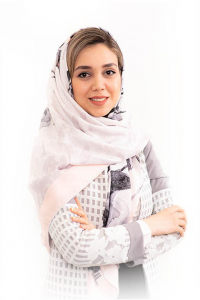
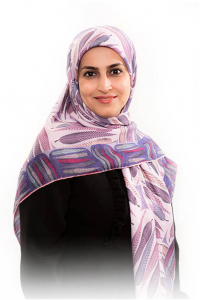
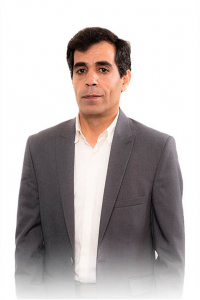




At Abadis Medical Knowledge-Based Company, innovation, youth empowerment, and organizational agility are integral parts of the company’s culture.
The Board of Directors, emphasizing meritocracy, adopted two key approaches as the foundation for human capital development in 2020 (1399):
-
Engaging young and talented professionals to infuse energy and innovation across all organizational levels.
-
Empowering women specialists to take on key managerial and technical roles.
This vision has enabled Abadis to emerge not only as a leader in medical technology but also as a model of modern, data-driven human resource management.
Gender Composition of the Workforce
Currently, women make up 44% and men 56% of Abadis’ workforce.
This balance demonstrates the company’s effective commitment to combining expertise, equal opportunity, and gender diversity — an approach still uncommon in much of the industrial sector.
Gender Distribution by Organizational Unit
Data from 2025 (1404) show that the workforce distribution across various departments is as follows:
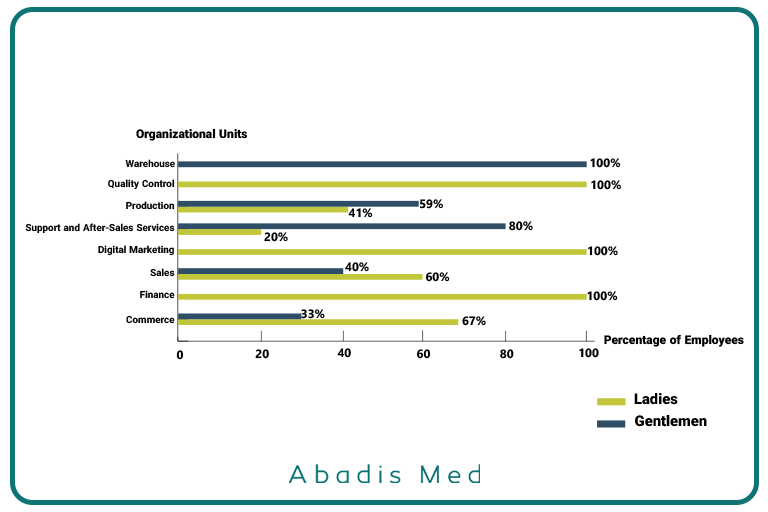
This data shows that Abadis has created equal opportunities for women not only in administrative units but also on the production lines.
Employee Age Distribution
According to HR data, the age composition of employees is as follows:
-
Age 18 to 24: 7% of the workforce
-
Age 25 to 30: 23% of the workforce
-
Age 31 to 36: 35% of the workforce
-
Age 37 to 45: 28% of the workforce
-
Age 46 and above: 8% of the workforce
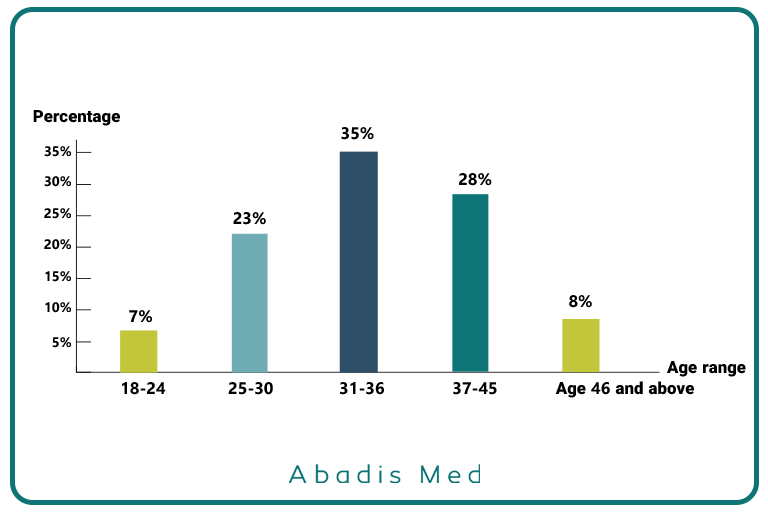
This composition indicates that the average age of Abadis’ workforce is 35.7 years—a range that best reflects a balance of experience and youthful energy.
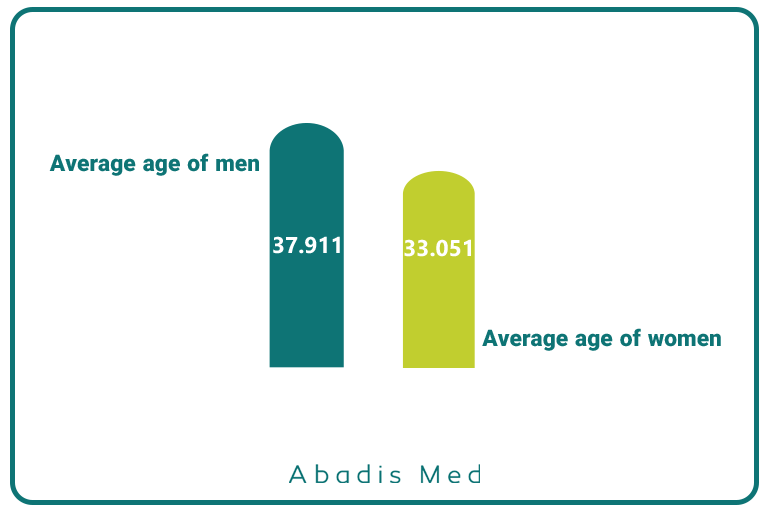
Average Age of Shareholders and Board of Directors
The average age of the company’s shareholders is 46.8 years, and the average age of board members is 39 years. This composition represents a blend of experienced senior management and the innovative perspective of younger generations—an element that plays a key role in the company’s strategic stability and sustainability.
Analysis of Employee Age Trends from 2017 to 2025
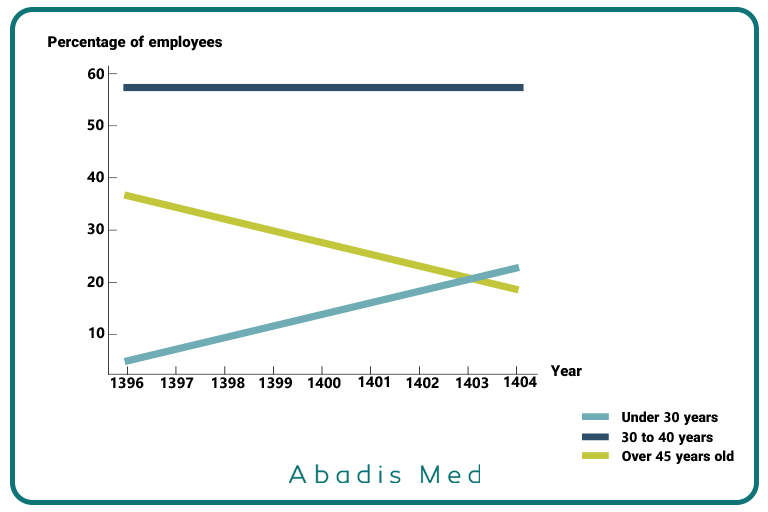
A review of the company’s historical HR data from 2017 to 2025 shows a stable structural transformation in both workforce age composition and headcount. The number of employees increased from 4 in 2017 to 67 in 2025, equivalent to a 1,575% growth over the eight-year period.
The average age of employees in 2017 was around 45 years, while by 2025 it had decreased to 36.5 years. This change reflects a younger workforce structure and the recruitment of fresh, skilled talent to drive technological development.
Analytical trends show:
-
The share of employees under 30 increased from 5% in 2017 to 23% in 2025.
-
The share of employees aged 30 to 40 remained around 58%.
-
The share of employees over 45 decreased from 37% to 19%.
These data indicate that Abadis’ HR policies are designed around sustainable development, succession planning, and knowledge transfer, ensuring that youthfulness is integrated while preserving managerial expertise.
Marital Status of Abadis Employees
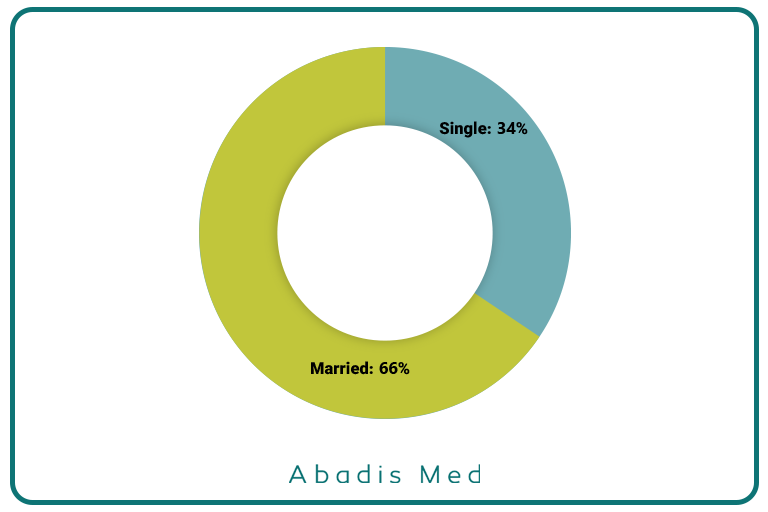
Analysis of the company’s HR data shows that approximately 66% of Abadis Medical Tanks employees are married, while 34% are single. This indicator reflects a relative stability in both the professional and social composition of the workforce. Abadis management, taking employees’ family circumstances into account, strives to maintain a balance between work responsibilities and family life in its welfare policies and incentive programs. Moreover, this demographic composition fosters a greater sense of belonging and responsibility in the workplace.
Training and Employee Skill Development at Abadis
Abadis Medical Tanks, a knowledge-based company, has implemented extensive training programs across its various units in recent years, focusing on human capital development and employee skill enhancement. These trainings have included:
-
ISO 13485: Proper training and implementation across all units.
-
Administrative Skills: Training in official correspondence for finance and administrative units.
-
Data Analysis and Advanced Excel: Data-driven analysis and advanced Excel training for all units.
-
Performance Management: OKR and KPI training for sales and commerce units, along with the implementation of key performance indicators across all units.
-
Production and Quality Control: Training on plastic injection molds, SPC, SEM courses, advanced maintenance, and plastic injection simulation using INVENTER software.
-
Management and Organizational Units: Training on organizational structure and culture.
-
Sales and Marketing: Advanced sales and LinkedIn marketing training.
These programs aim to increase productivity, enhance performance quality, and develop employees’ specialized skills, playing a crucial role in organizational growth and achieving strategic goals.
Future HR Programs at Abadis
Abadis’ HR unit, focusing on skill development and employee welfare, has designed future programs around three main axes:
-
Soft Skills and Personal Development: Strengthening professional and communication capabilities.
-
Performance-Based Compensation: Increasing employee income based on performance and job-specific KPIs.
-
Employee Welfare Planning: Enhancing well-being in response to challenging economic conditions.
These initiatives aim to create a dynamic, motivating, and sustainable work environment, contributing to retaining specialized talent and improving organizational productivity.
Summary
The human resources structure at Abadis Medical Tanks exemplifies innovative and data-driven HR management in an Iranian knowledge-based company.
A balanced mix of young talent, significant female participation, decreasing average age alongside workforce growth, and the implementation of BI systems in HR management demonstrate that Abadis is not only a leader in technological products but also provides an inspiring model for human capital development, emphasizing agility, meritocracy, and a sustainable vision for the future.